loader

Impavid Bulletin

economy

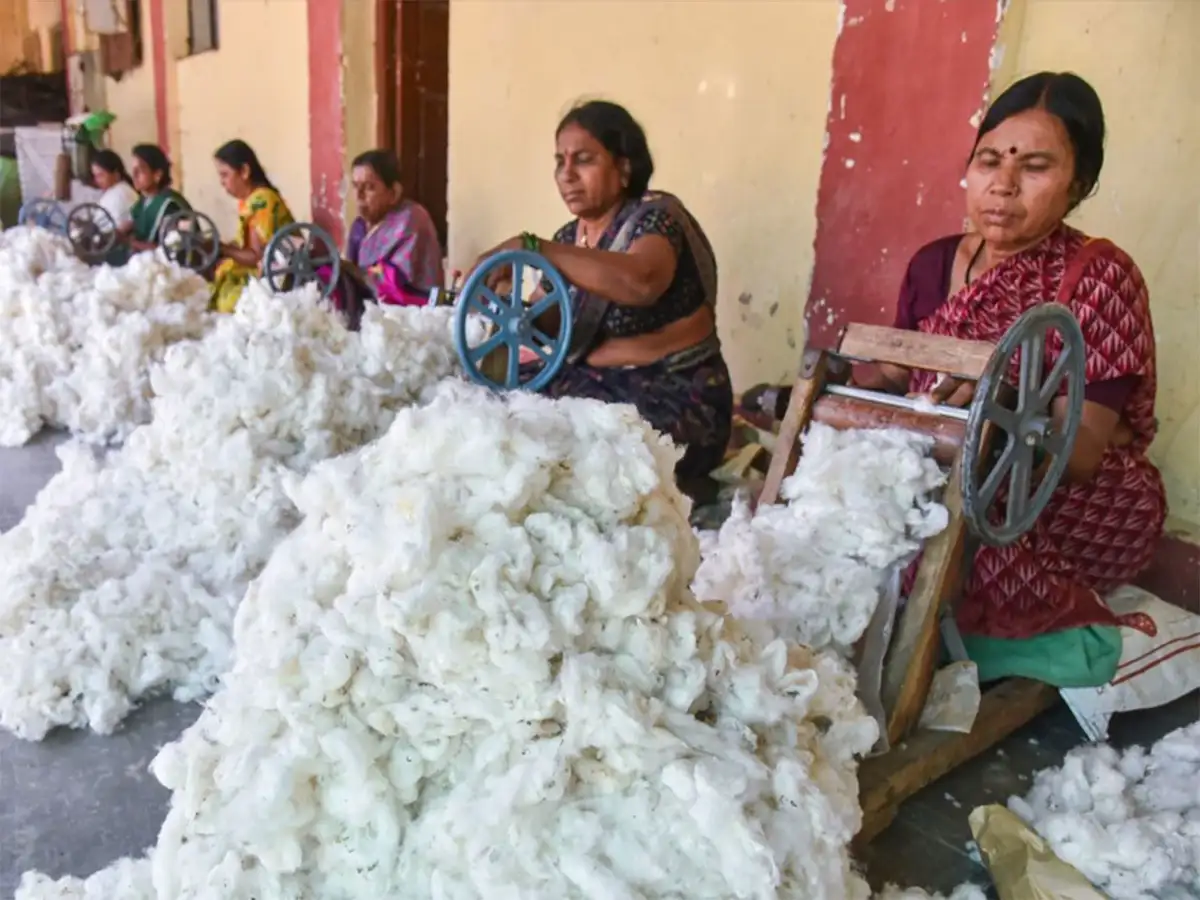
The Indian government has extended the customs duty exemption on cotton imports to December 31. This decision aims to support the textile industry by ensuring adequate raw material availability. The waiver allows greater flexibility for manufacturers to source inputs at reduced costs. Domestic cotton prices have remained firm due to production concerns, prompting this extension. The move is expected to strengthen Indian textiles in both domestic and international markets.
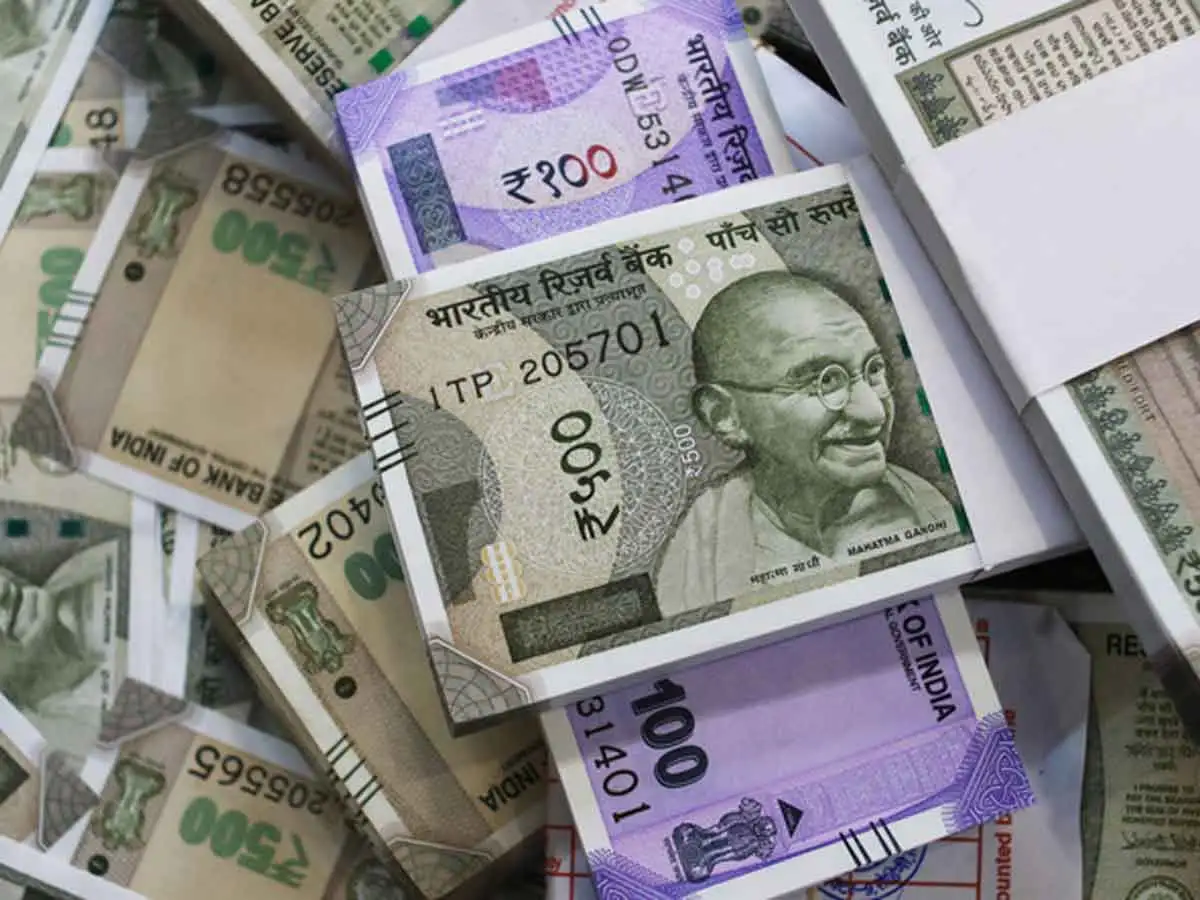
Simplified GST registration processes will benefit small sellers using e-commerce platforms without physical presence in multiple states. The GST portal will offer user-friendly interfaces and clearer documentation requirements for registration applications. Automatic sanctioning of full refund claims for excess balance in electronic cash ledgers will expedite the refund process. Flexibility in post-supply discount taxation will support industries with volume-based incentives and trade schemes.

Uttar Pradesh received the largest allocation of ₹19,208 crore, followed by Bihar at ₹10,845 crore. Madhya Pradesh was allocated ₹8,010 crore, West Bengal ₹7,866 crore, Maharashtra ₹7,022 crore and Rajasthan ₹6,460 crore. Odisha received ₹4,819 crore and Andhra Pradesh ₹4,597 crore.

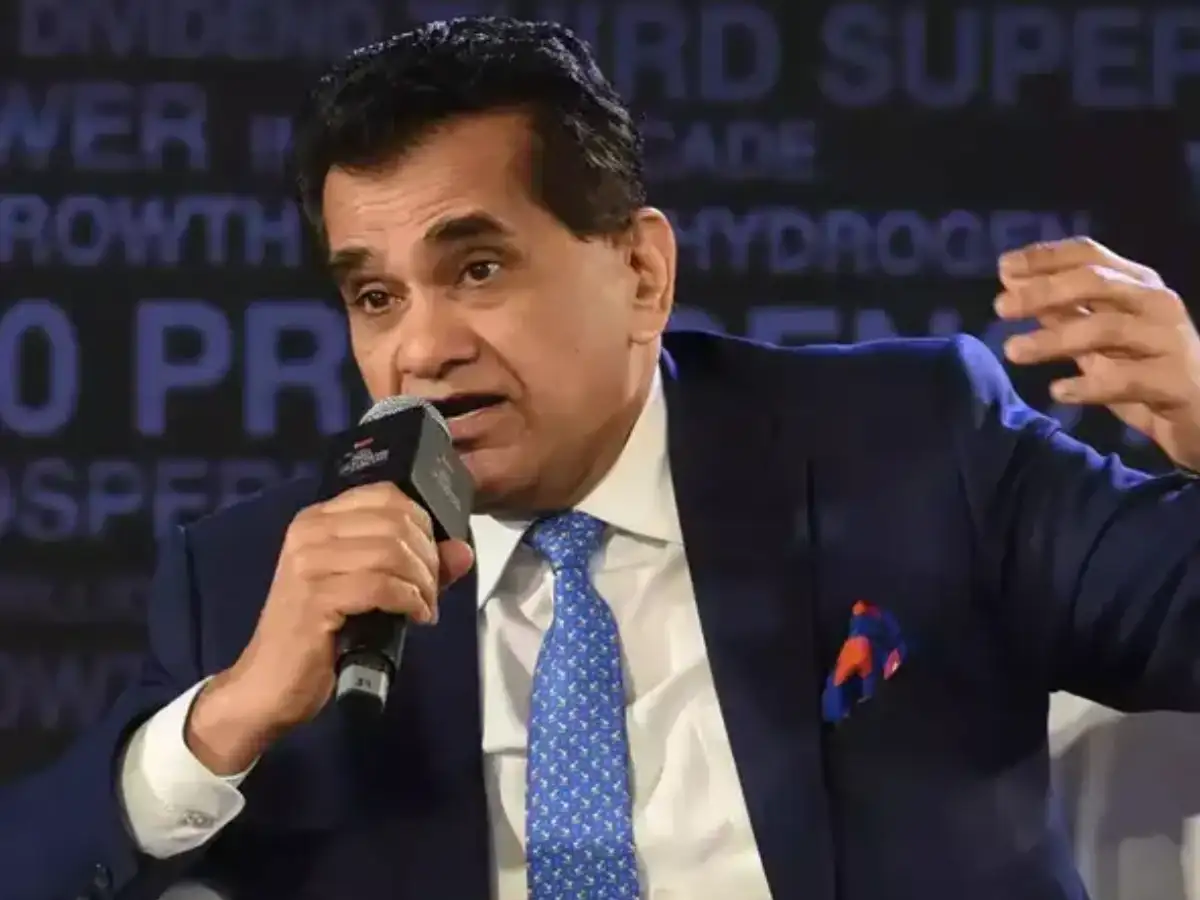
Kant also stressed the need to transform rural India into centres of economic activity, innovation and entrepreneurship rather than limiting it to welfare delivery.

The Central Board of Direct Taxes (CBDT) has made it mandatory for organisations merging with another registered non-profit to inform the I-T Department within a prescribed deadline, get their accounts audited and disclose the reasons for the merger. The new rules, notified on October 30, also prevent organisations with regular registration from merging with those holding provisional registration, and vice versa.

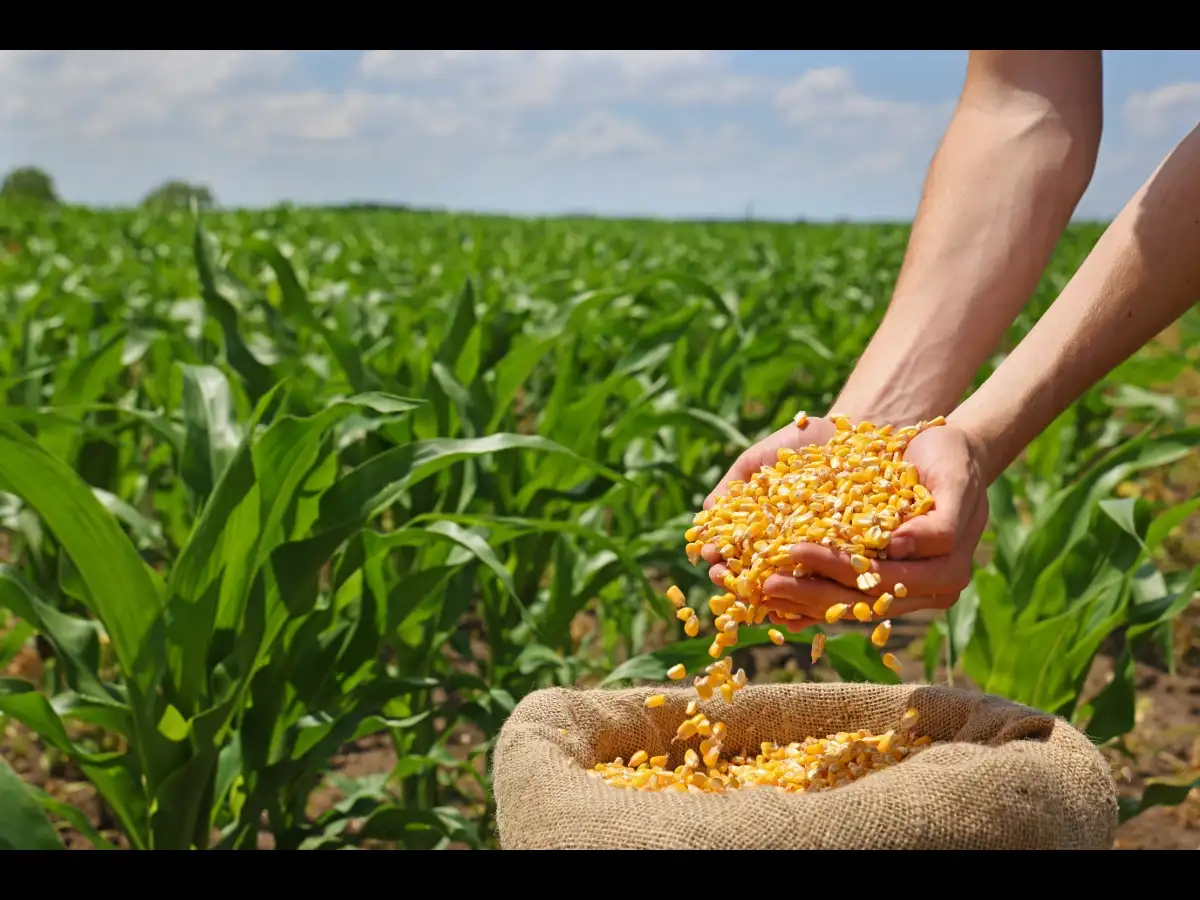
A grain that once fed chickens now fuels cars and, soon, planes. The harder question is whether Indian farms can keep up with the demand it has created.

India's gross GST collection reached Rs 2.31 lakh crore in October, representing a 22.9% increase from last year. The gross GST collected for the April-October period totaled Rs 14.78 lakh crore, showing a 13.2% growth year-on-year. Maharashtra recorded the highest revenue for October at Rs 35,150 crore, followed by Karnataka and Gujarat. Some states, including Sikkim and Ladakh, experienced significant declines in GST collections during the month.

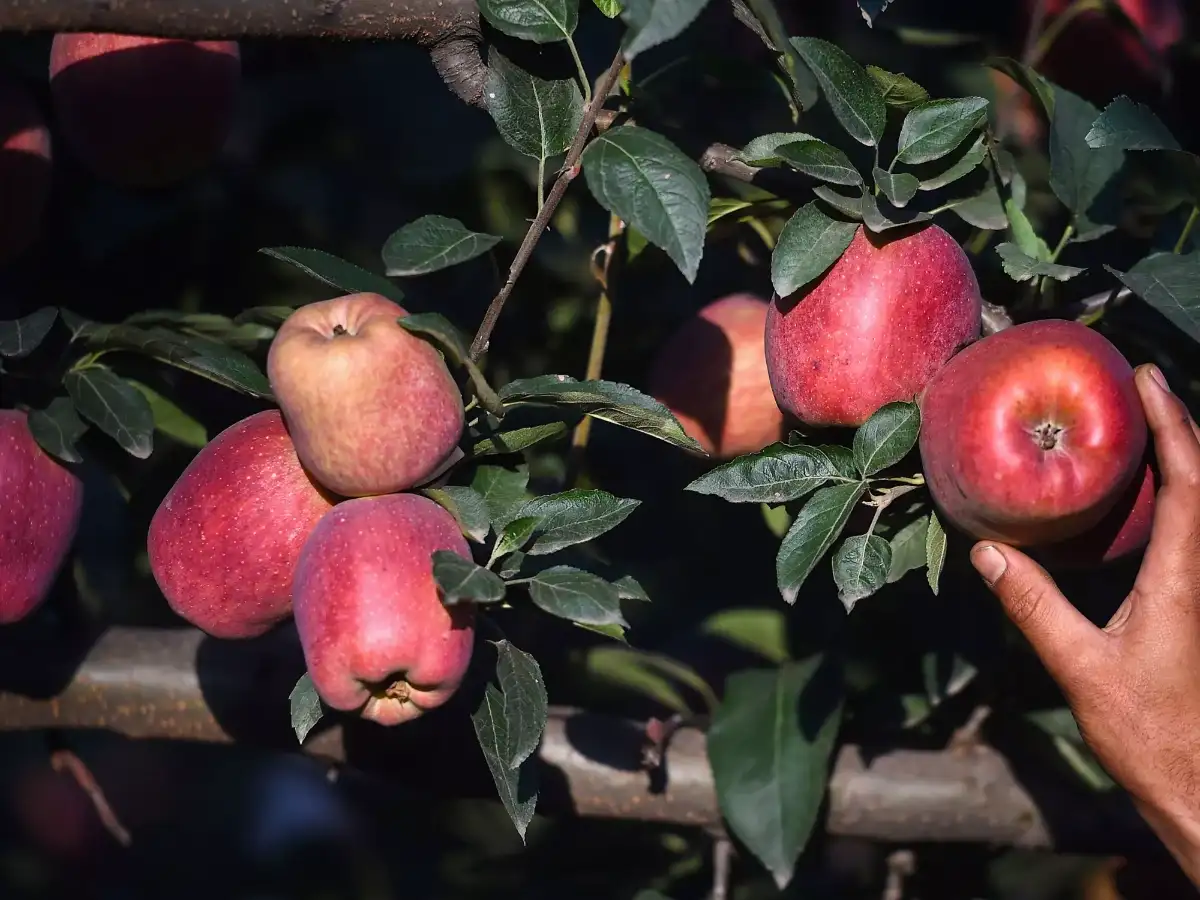
Supply of Kashmiri apples is currently inadequate due to a significant scab outbreak that has affected this year's crop. The primary concern is that a large percentage of apples arriving in markets are of lower grades. Growers are facing high production costs while receiving low returns on affected apples. Demand remains good ahead of Diwali, with higher-quality apples commanding good prices.

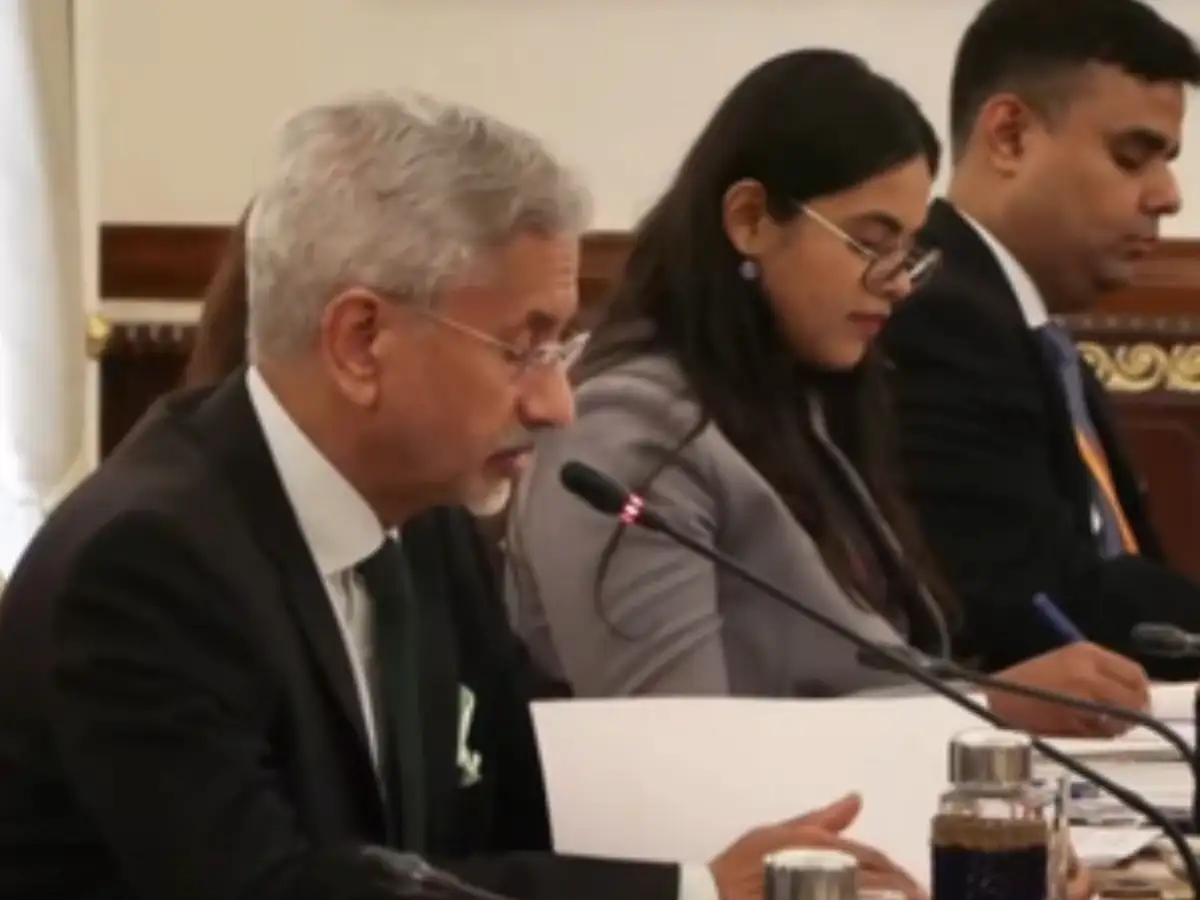
India has engaged in discussions with Russia, Europe, and Ukraine regarding the ongoing conflict and its impact. These talks focused on preventing attacks on civilian shipping and restoring grain exports affected by Black Sea disruptions. External Affairs Minister S. Jaishankar emphasised the complexity of discussions around ceasing attacks on energy installations. Various interpretations of what constitutes energy installations have complicated these discussions.