loader

Impavid Bulletin

economy

Union Labour & Employment Minister Mansukh Mandaviya launched EPFO services through WhatsApp for easier access. Subscribers can check their PF balance and transaction history conveniently using this platform. The automatic settlement for inoperative EPF accounts was also introduced, streamlining the process for beneficiaries. In total, around one lakh accounts will benefit from this initiative. The EPFO's commitment to evolve and focus on worker-centric innovations was emphasized during the celebration.
The Securities and Exchange Board of India plans to delist companies that have no economic activity. This move aims to protect investors, especially those investing in penny stocks. The regulator highlights the potential dangers posed by such inactive companies in the market. Additionally, Sebi intends to announce compliance requirements for foreign institutional investors soon.

CII has called for extending the GST Council's approach to decriminalise offences in various sectors. This move aims to enhance ease of doing business and attract investments in land, labour, and construction. The organisation emphasizes the importance of simplifying regulatory processes across different government tiers.

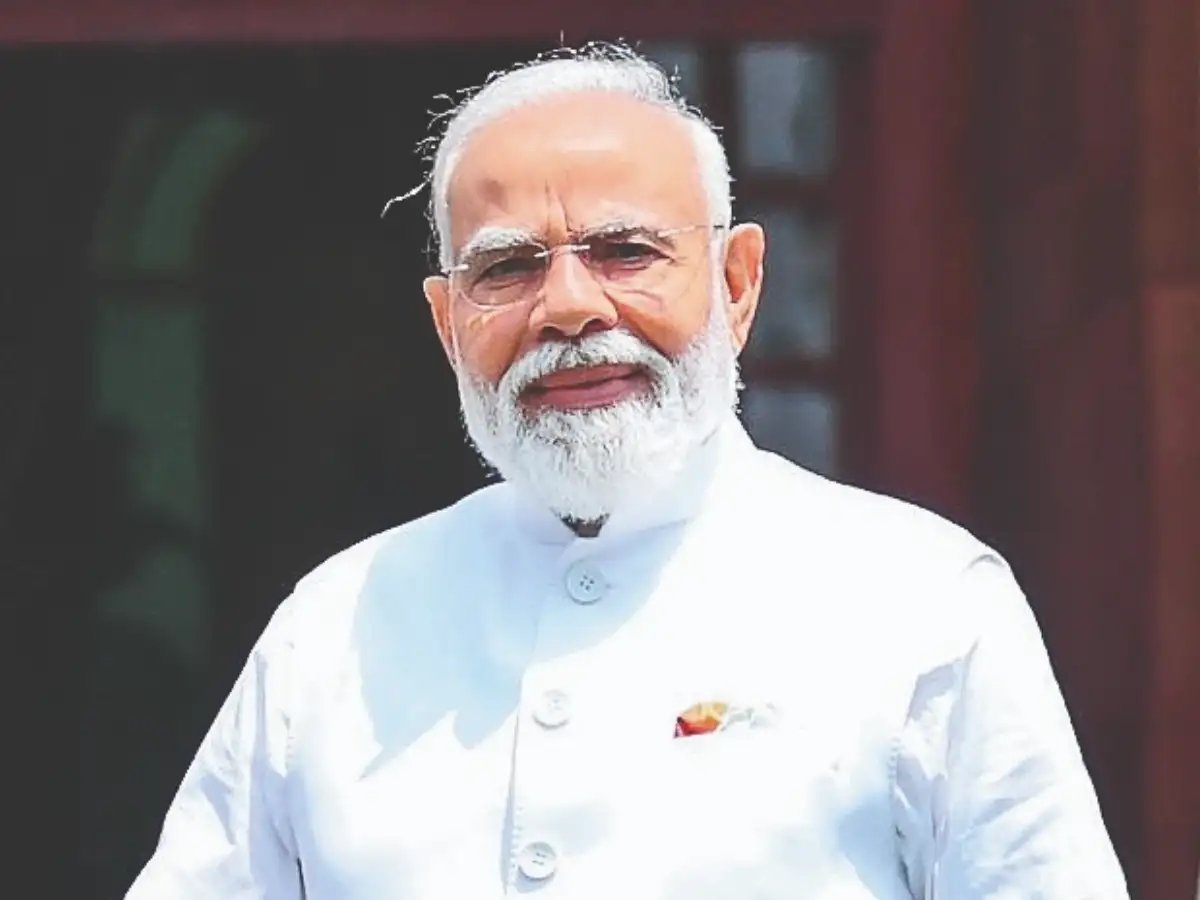
Prime Minister Narendra Modi is scheduled to meet the new leadership of Niti Aayog on November 5. This meeting aims to establish budget priorities amidst global uncertainty and economic growth challenges. The focus will be on enhancing domestic manufacturing and creating employment opportunities. Experts from various sectors will provide insights related to India's development objectives.

People across India are protesting peacefully, contrasting with violent agitations seen in other countries. The 'one nation, multiple elections' framework allows diverse political benefits to be shared among parties. This electoral model keeps governments accountable and responsive to public needs. Elections help to channel frustrations and enable citizens to express their concerns. As a result, the political landscape remains dynamic and participatory, fostering a sense of empowerment.

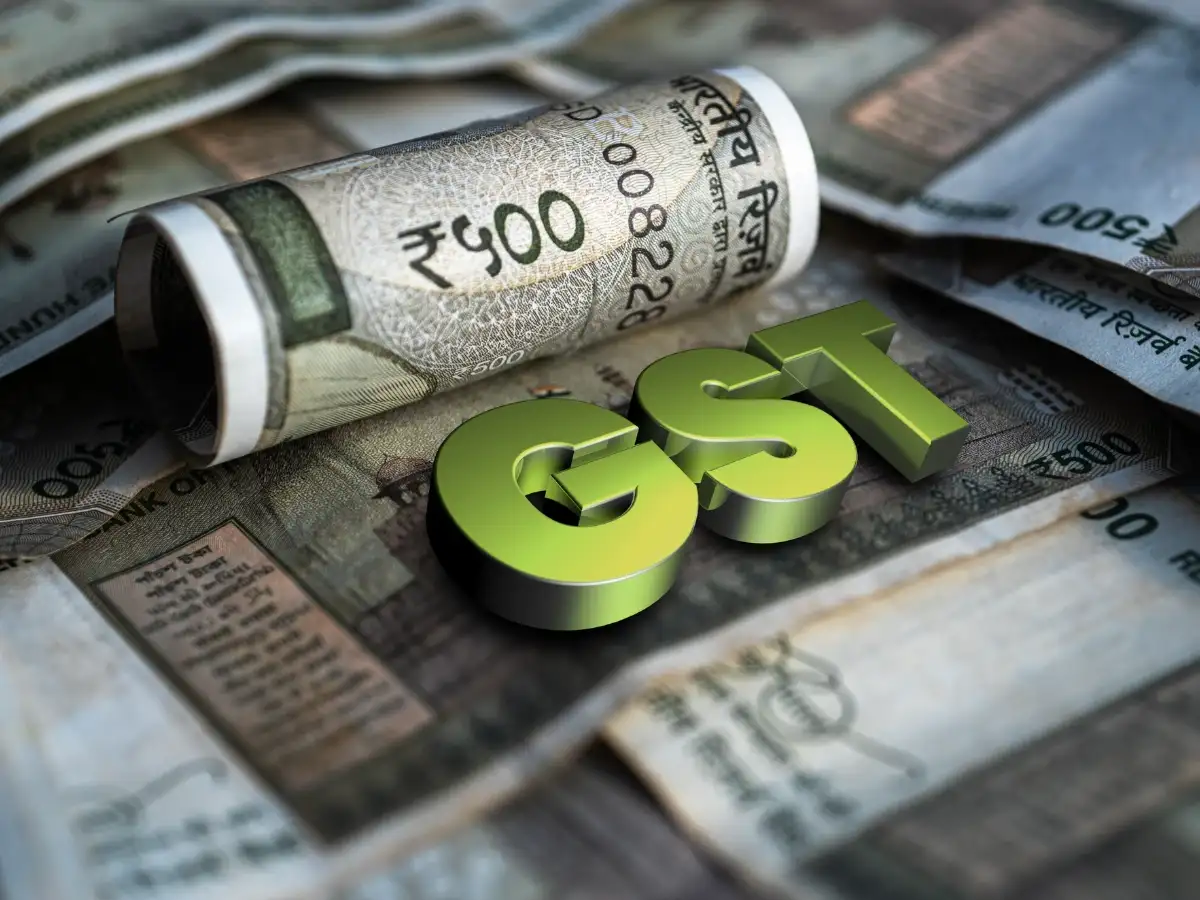
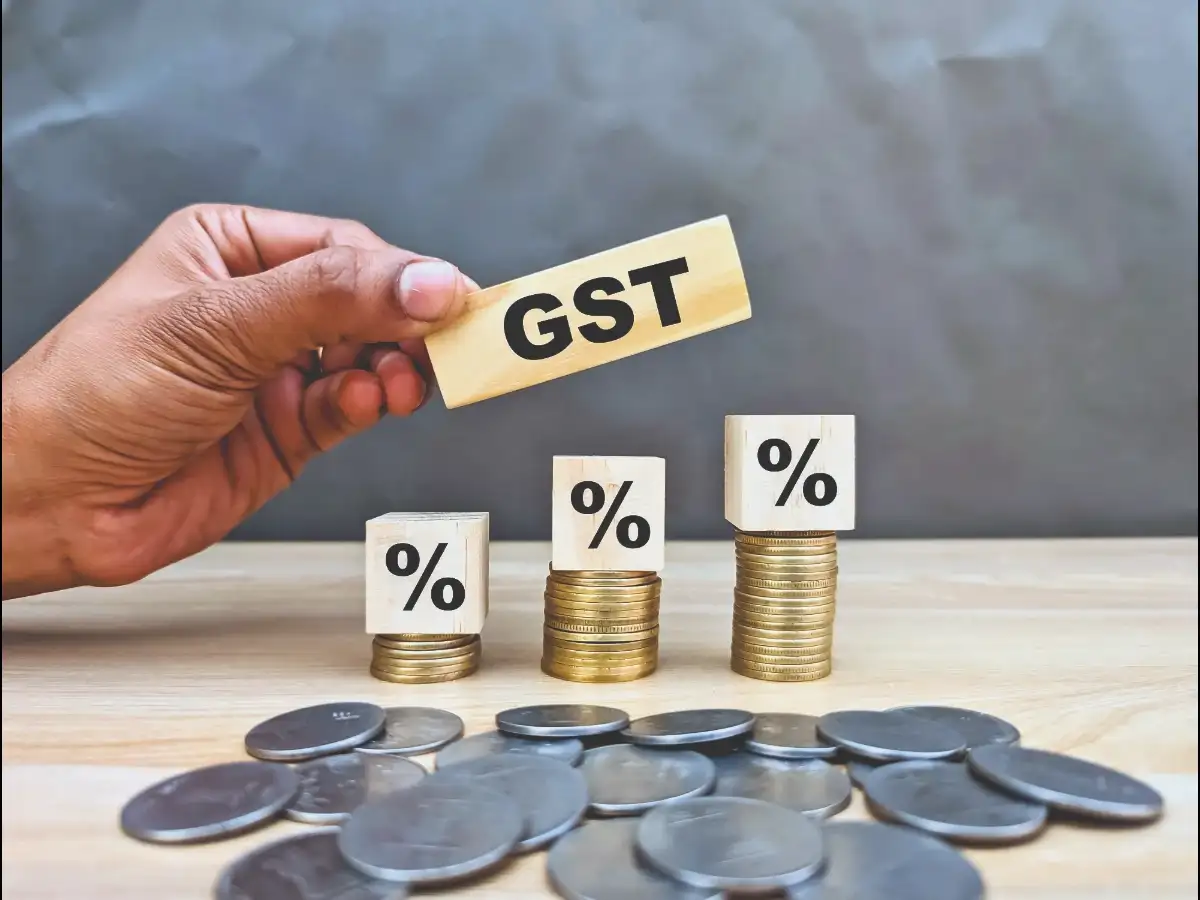
India's GST collections in October reached ₹2.31 lakh crore, reflecting a 22.9% year-on-year increase. Strong consumption trends are indicated by rising passenger car sales and record digital payments. Power consumption also surged nearly 22% compared to last year, further emphasizing economic strength. Despite a high inflation rate of 5.5%, demand has remained robust, supporting growth forecasts. Analysts suggest this growth aligns with leading indicators of a consumption-driven economy.

On Wednesday, the Union cabinet approved a 3% increase in dearness allowance for employees and pensioners. This increase is expected to benefit over 11.6 million individuals ahead of the festive season. The change will take effect retrospectively from July 1, costing the exchequer ₹10,016 crore. Additionally, the government revised dearness allowance rates for employees under the Fifth and Sixth Pay Commissions.

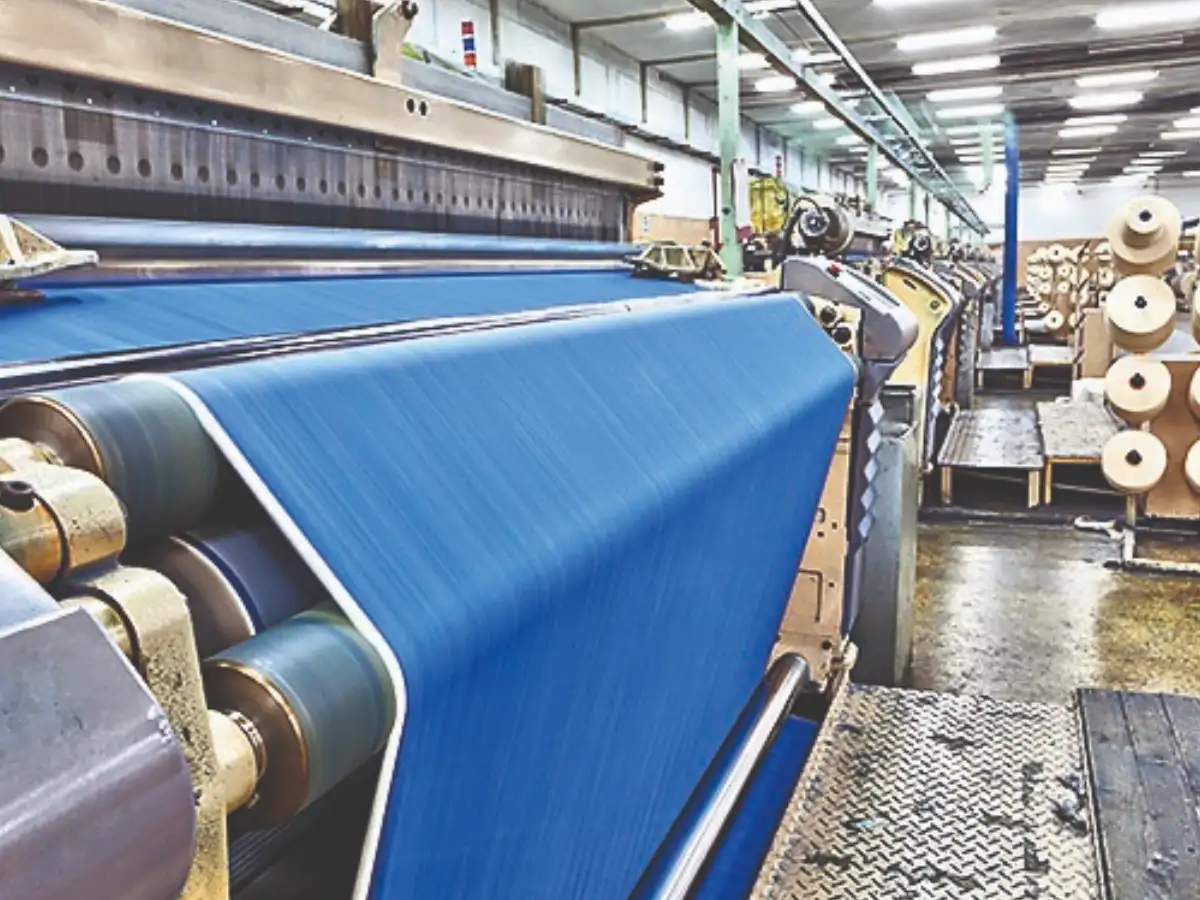
The government has announced an extension of the Production Linked Incentive scheme for the textiles sector until 2034. This change aims to encourage more companies to participate by relaxing eligibility norms for investment. The textiles ministry has reduced the minimum turnover requirement for certain manufacturers from ₹200 crore to ₹100 crore. A reopened application portal will accept submissions for manufacturing various textiles from November 1 to December 31.

The Union Cabinet has approved significant schemes to enhance India's manufacturing infrastructure and capacity. The ₹10,000 crore Container Manufacturing Promotion Scheme aims to increase container production substantially by 2040. Additionally, the Pradhan Mantri Viksit Gram Swaraj Yojana will be implemented from 2026-27 to 2030-31, providing crucial funding. The Khelo India Sports Goods Manufacturing Scheme will also support sports equipment production from 2026 to 2034.