loader

Impavid Bulletin

banking

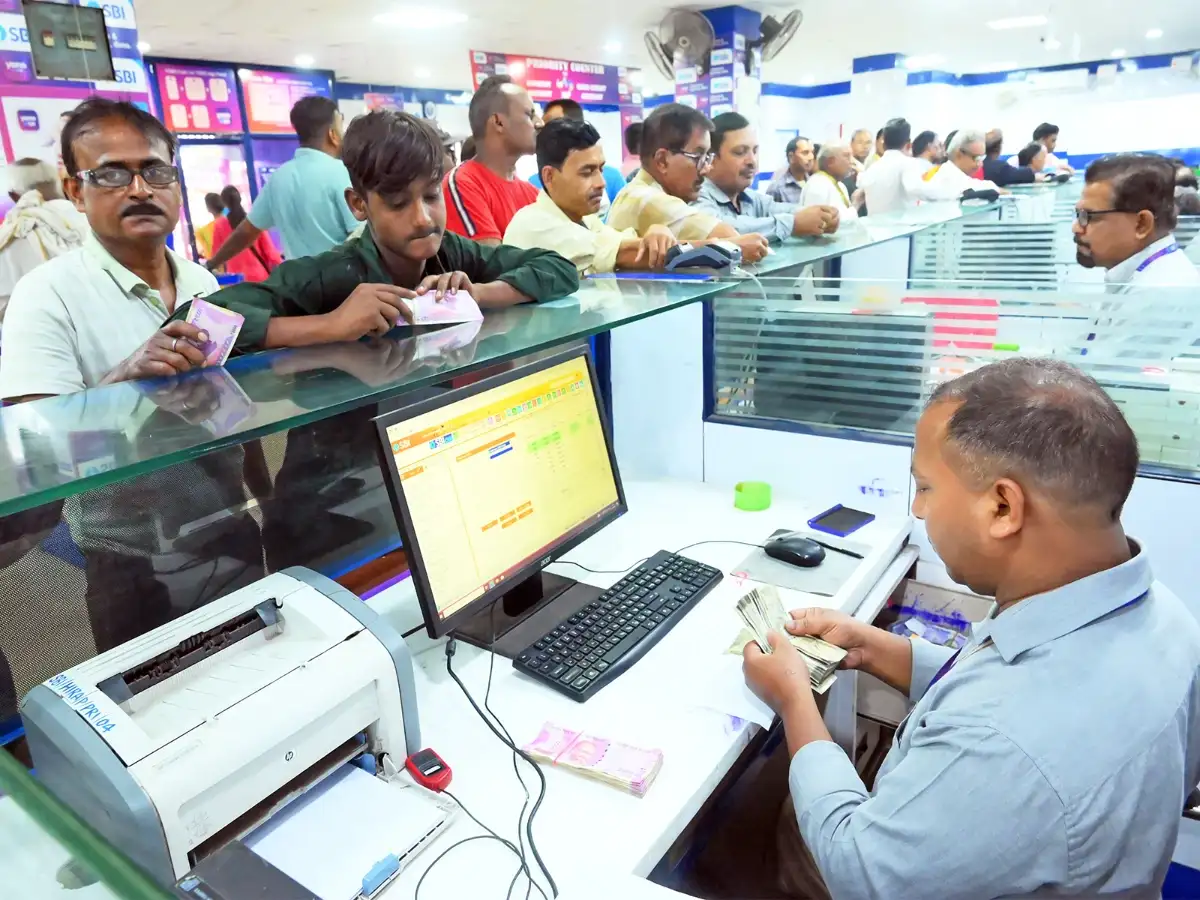
Real-time payments allow money to move between bank accounts within seconds, making transactions faster and more convenient for consumers and businesses. In India, systems such as UPI and IMPS enable instant transfers, while RTGS processes high-value payments in real time. Here is how these systems work, the technology that powers them, their benefits for businesses and customers, and the security challenges.
The Reserve Bank of India has announced final leverage ratio requirements for commercial banks, to be implemented starting April 1, 2027. Domestic systemically important banks must maintain a minimum leverage ratio of 4%, while other commercial banks need a ratio of 3.5%. Branches of global systemically important banks will also have specific requirements. Feedback from banks was reviewed and modifications were made before finalizing the rules.

The RBI has tightened how banks calculate leverage by widening the measurement of derivatives, repo transactions and off-balance-sheet exposures, while retaining the minimum ratios at 4% for systemically important banks and 3.5% for others. The norms, effective April 1, 2027, also strengthen disclosure requirements and restrict the use of collateral and netting to reduce reported exposures.

Kolkata's banking sector faced a Rs 5.19 lakh crore withdrawal of deposits in the fortnight ending October 15. Credit outstanding also contracted by Rs 2.52 lakh crore during the same period. Consequently, credit growth decreased to 18.2% from 19.4% in the prior fortnight. Meanwhile, deposit growth recorded a decline to 16.7% compared to 17.8%. The overall outstanding deposits reached Rs 278.76 lakh crore and outstanding credit was Rs 227.

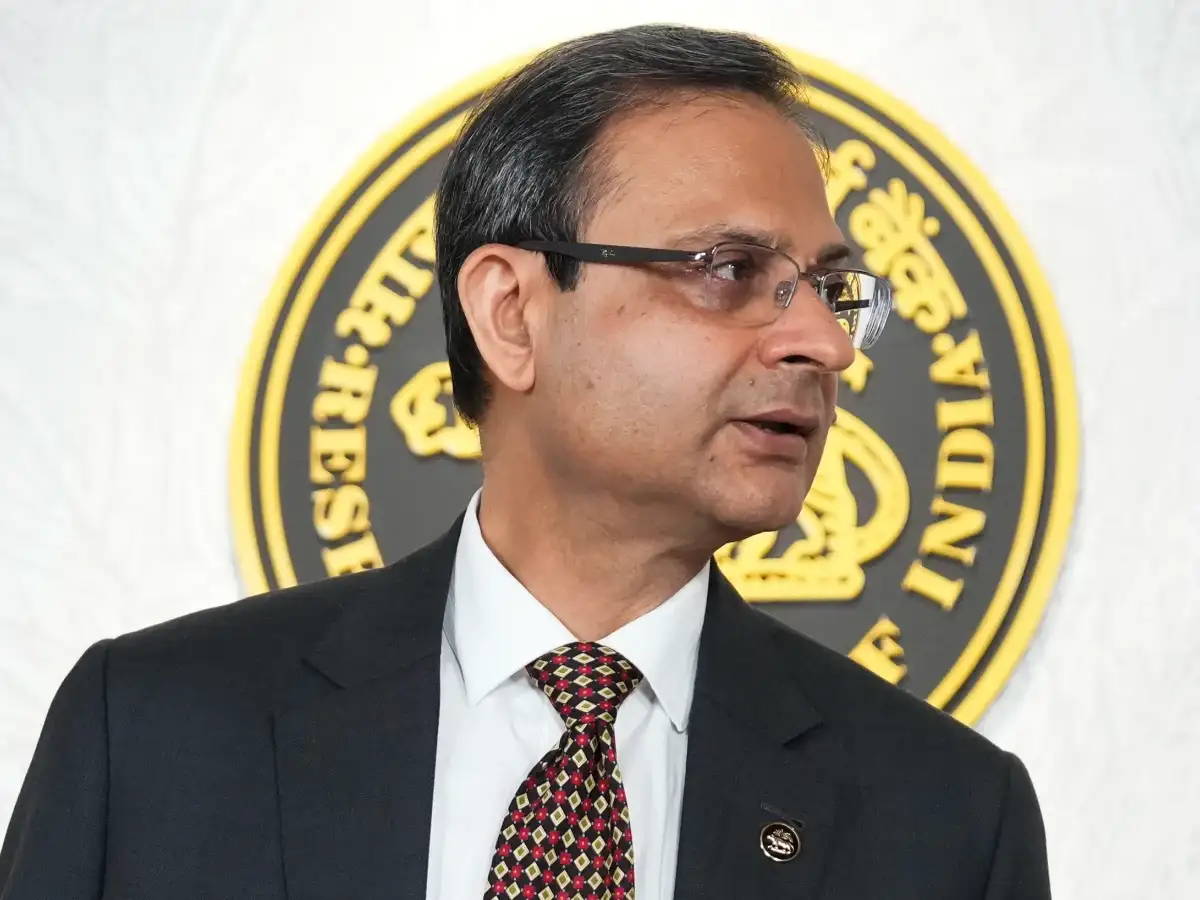
RBI Governor Sanjay Malhotra highlighted concerns regarding emerging cyber threats from artificial intelligence in banking systems. Measures are being implemented by banks and the RBI to secure IT infrastructure against these risks. The State Bank of India acknowledged potential data exposure, prompting increased vigilance for customer protection. Malhotra expressed confidence in India's robust forex reserves and external sector resilience amid these challenges.

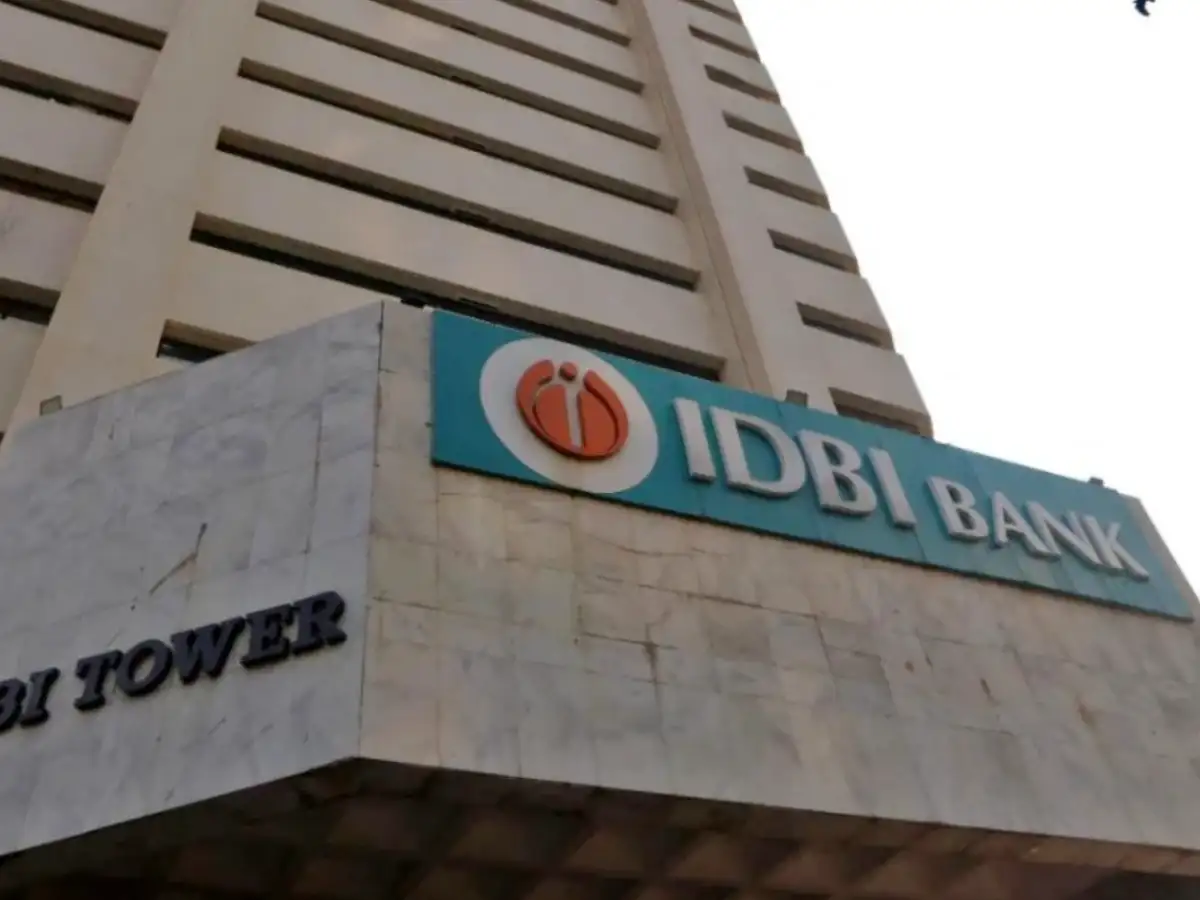
The DIPAM secretary's assurance comes as IDBI Bank employees oppose the government’s divestment plan and have called for a strike across the lender’s branches in early November. The United Forum of Bank Unions has also extended support to the proposed strike.

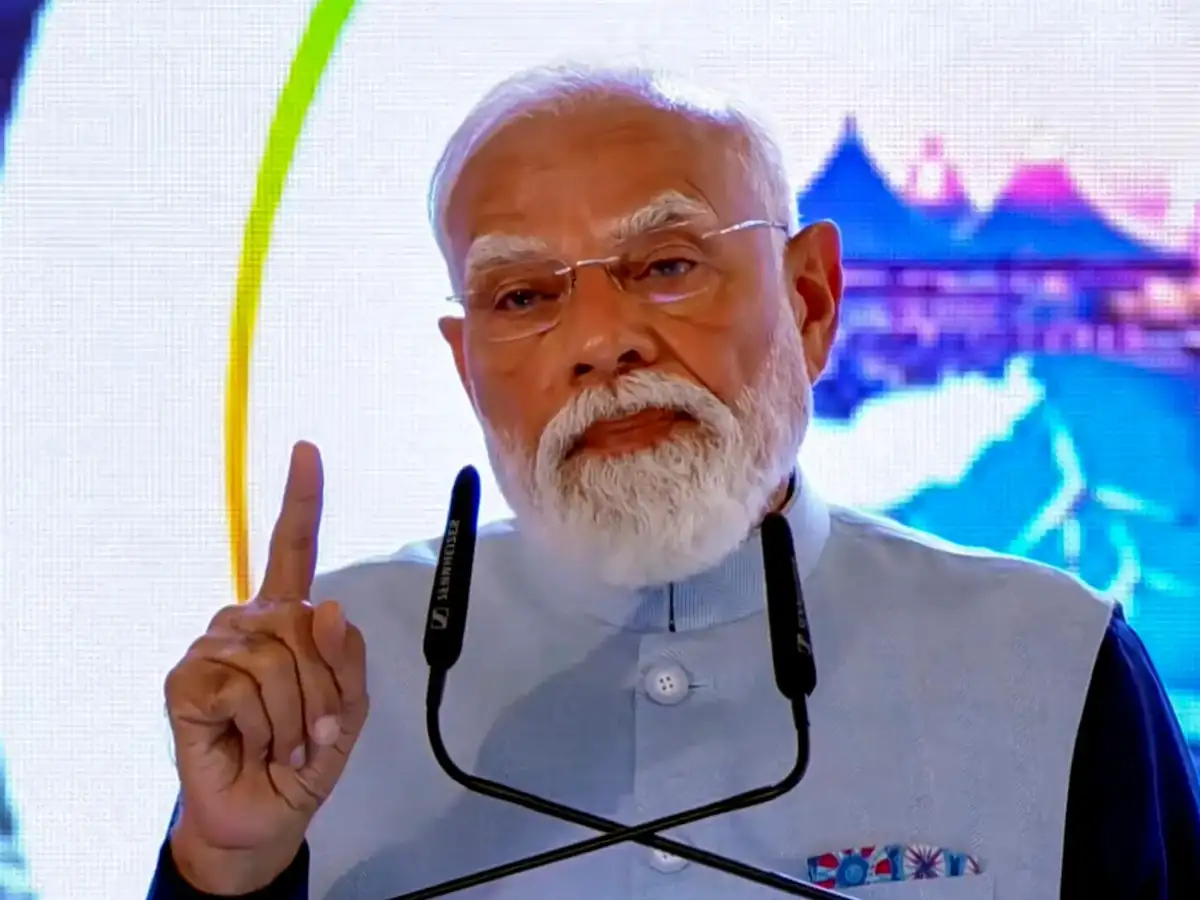
Prime Minister Narendra Modi is set to inaugurate the Reserve Bank of India's state-of-the-art data centre and Cybersecurity Training Institute on Sunday. This initiative aims to bolster Odisha’s digital framework and elevate national financial security. Situated in Jatni, the facility is designed to support crucial payment and settlement operations. With 2,100 police personnel and traffic regulations in place, this visit marks Modi's ninth trip to Odisha since 2024.

Punjab National Bank is focusing on bringing its cost-to-income ratio below 50 percent in the current financial year. The bank aims to further decrease it to around 45 percent by 2028-29. In the first half of the current fiscal year, the cost-to-income ratio was 50.38 percent, reflecting a decline from previous levels. The bank's net profit has reached Rs 5,500 crore, with targets for continued growth ahead.

Emerging sectors like AI, semiconductors, and defence are attracting significant investments while bank lending is limited. The financing patterns vary, with AI and space primarily funded through equity. Risks such as technology obsolescence and payment delays impact the lending sector significantly. Banks are encouraged to develop specialized financing strategies to support these sectors effectively. Over the next few years, demand is expected to shift towards storage and defence-related investments.