loader

Impavid Bulletin

banking

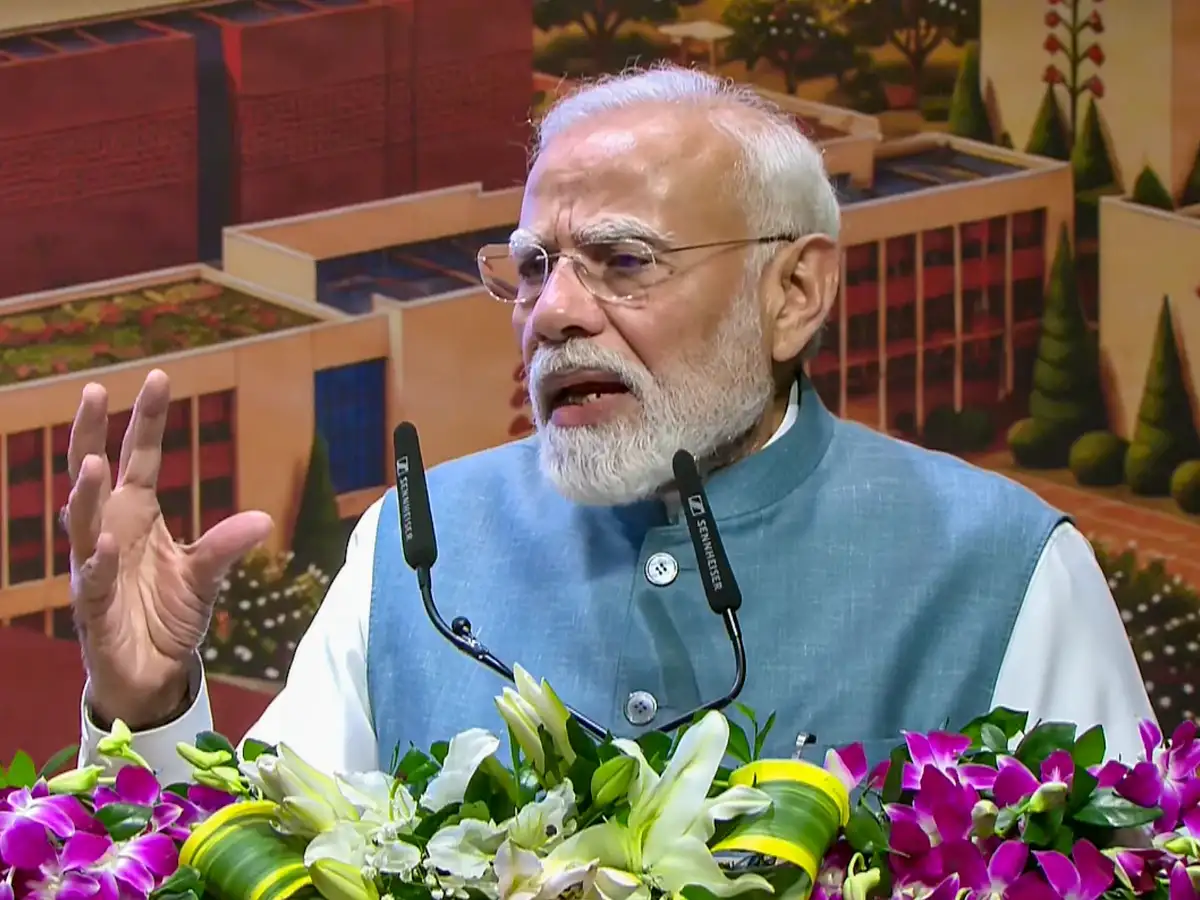
Prime Minister Narendra Modi inaugurated the Reserve Bank of India's new data centre and Cybersecurity Training Institute in Bhubaneswar. He emphasized the importance of protecting India's banking system from potential cyber threats. Modi noted that India's banking sector has become more efficient and accessible to the masses since 2014. He underscored the government's efforts to provide formal banking services to previously disadvantaged groups.
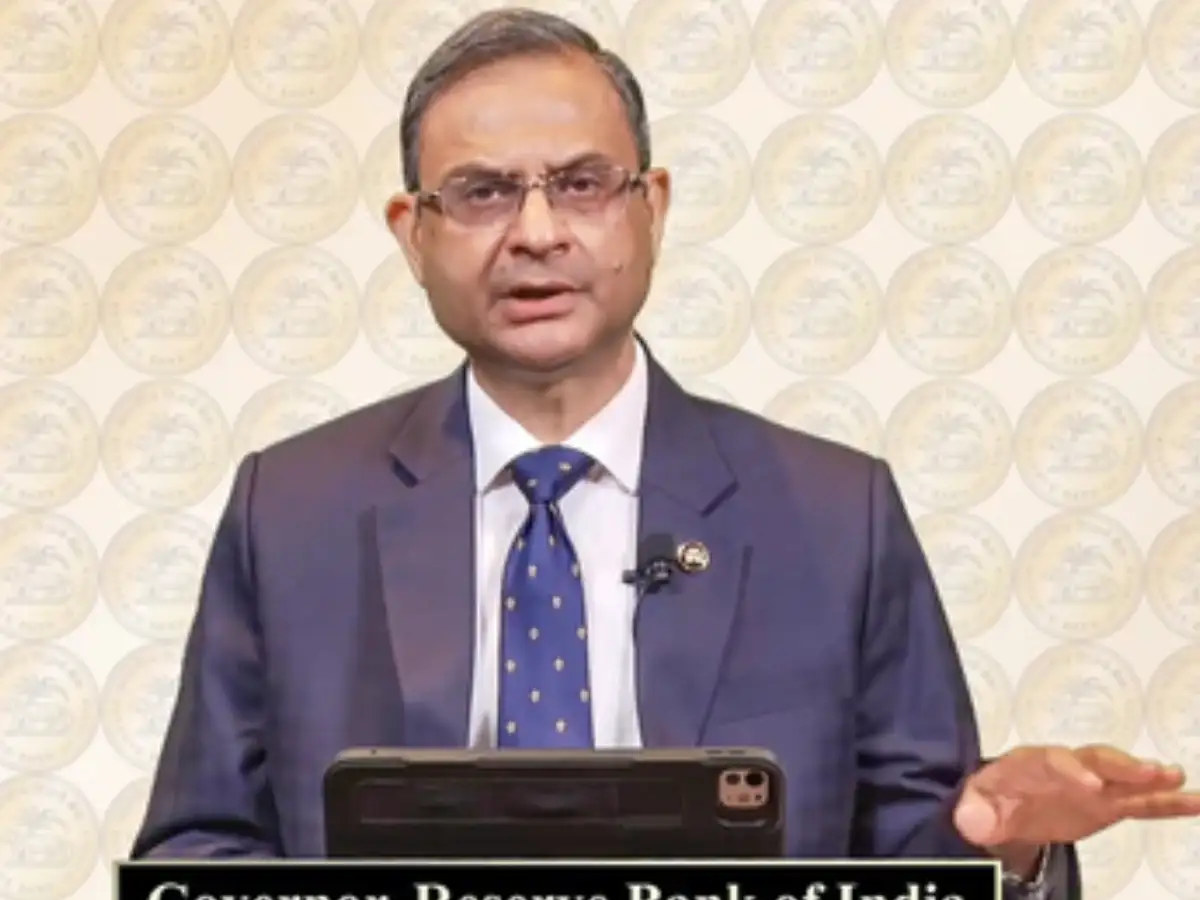
The Reserve Bank of India inaugurated a new sovereign data centre to enhance the resilience of financial services and reduce reliance on third-party cloud providers. Prime Minister Narendra Modi also inaugurated a cybersecurity training institute, which will develop expertise in emerging technologies. The data centre will support critical systems like RTGS and NEFT for efficient financial transactions.

Banks have approached the International Financial Services Centres Authority regarding sustainable lending targets for international banking units. The request stems from a significant rise in Foreign Currency Non-Resident deposits at GIFT City. These deposits have surged following the Reserve Bank of India's swap facility introduced in June. It is expected that the IFSCA may provide similar exemptions as the RBI has done before.

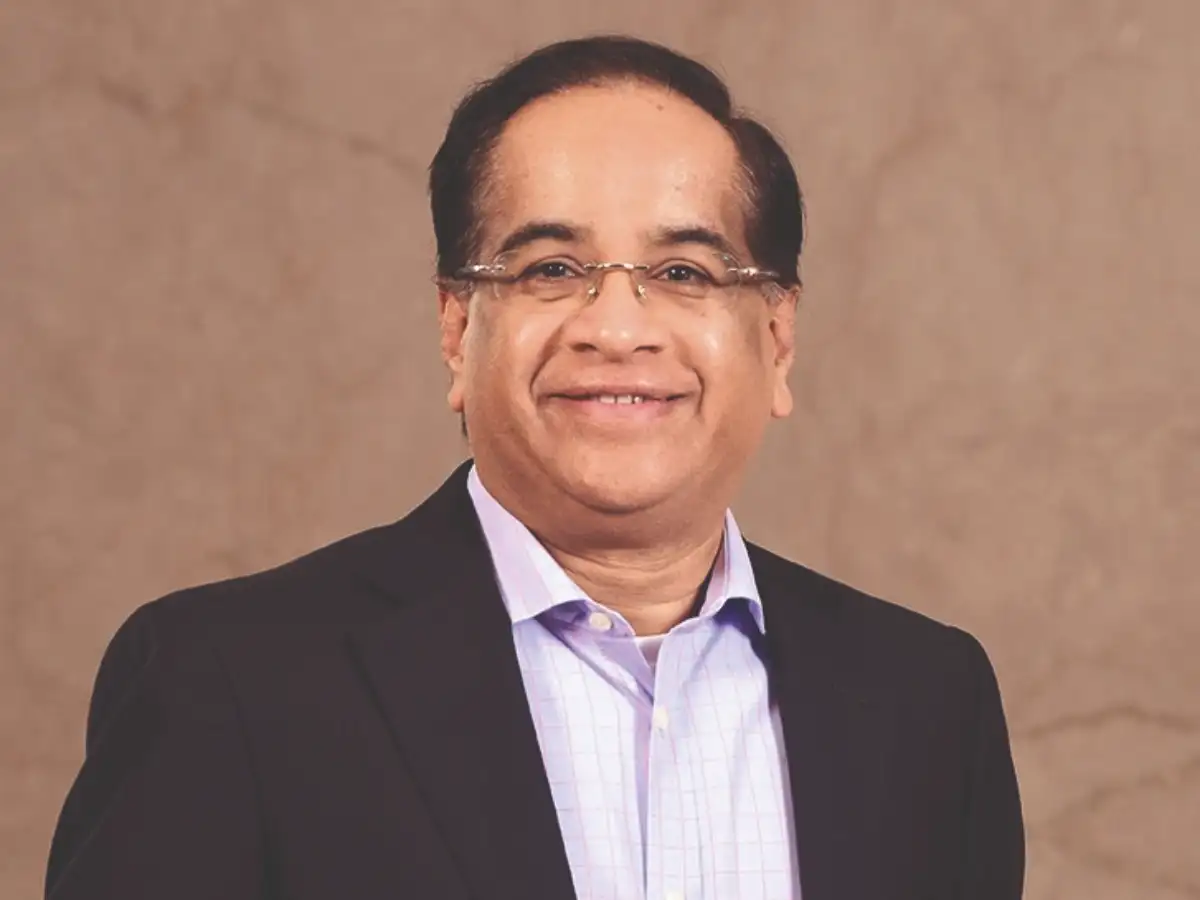
Long-term capital-gains tax is a big factor on the equity side. On direct investment, the trade agreements are going to be a big positive. Trade agreements create potentially important UK-India and EU-India corridors. We have been doing a lot of work identifying companies that could benefit and engage with clients. For Citi, that opportunity can flow through services and markets and potentially through investment-banking transactions as multinational companies raise capital in India, says K Balasubramanian, CEO, Citibank India.

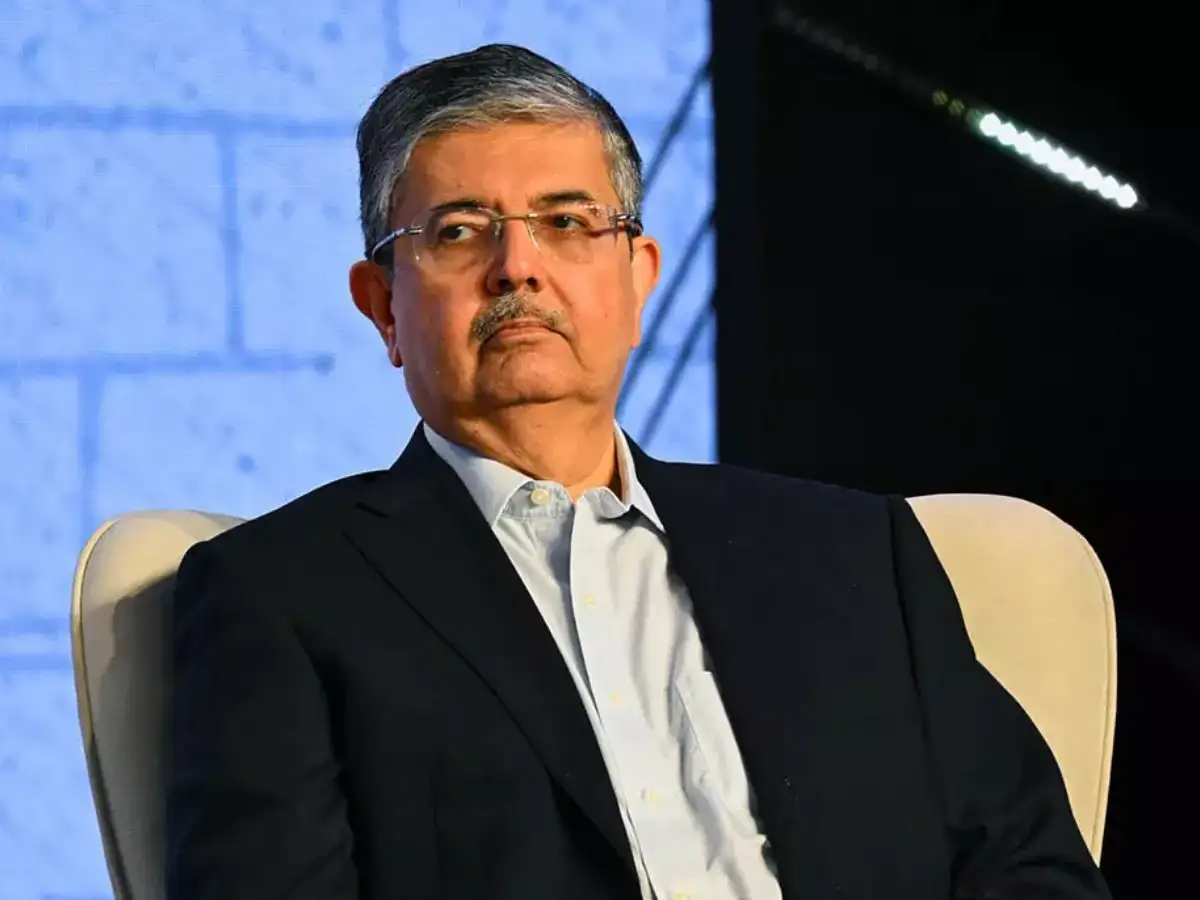
Uday Kotak has described India’s $130-billion-plus FCNR(B) mobilisation as a “strong insurance policy” against global shocks, but warned that repayments including interest could reach $160-170 billion over the next three to five years. He said the buffer gives India time to strengthen its economy, but should not substitute for structural reforms, investment in technology and efforts to improve domestic competitiveness.

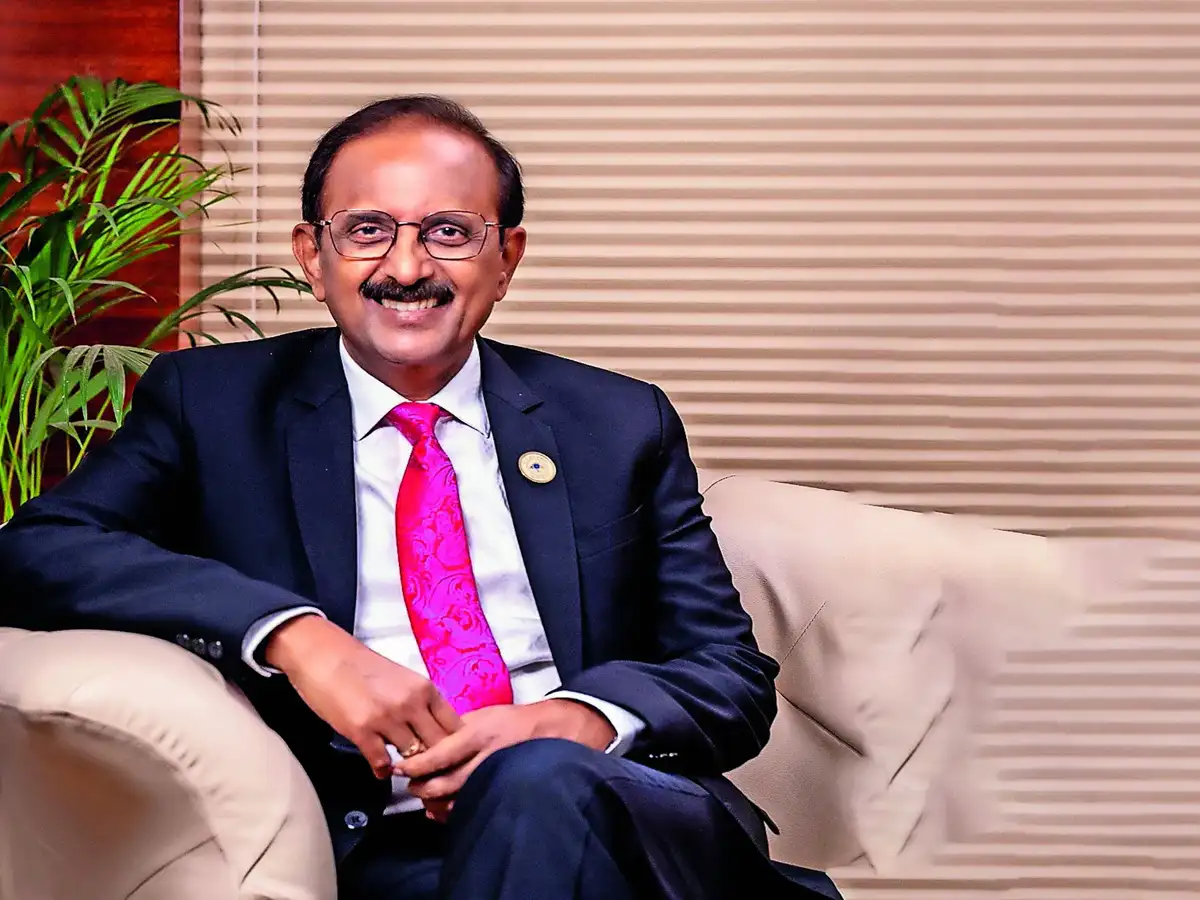
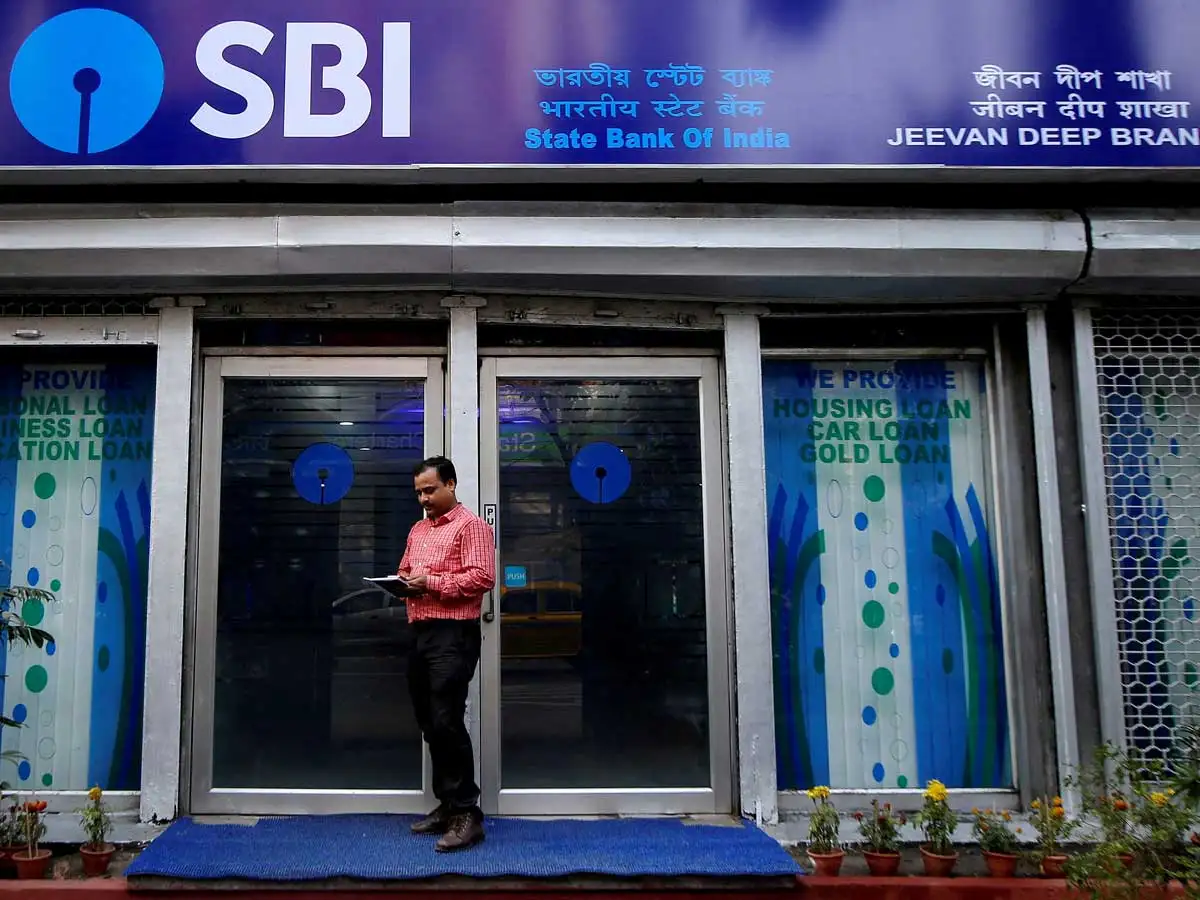
SBI chairman CS Setty expects higher interest rates to moderate credit demand in rate-sensitive sectors, particularly discretionary spending. The bank forecasts another 50 basis points repo rate hike in December, followed by a pause. Setty said he sees no system-level concerns over retail asset quality, though highly leveraged households may face pressure.

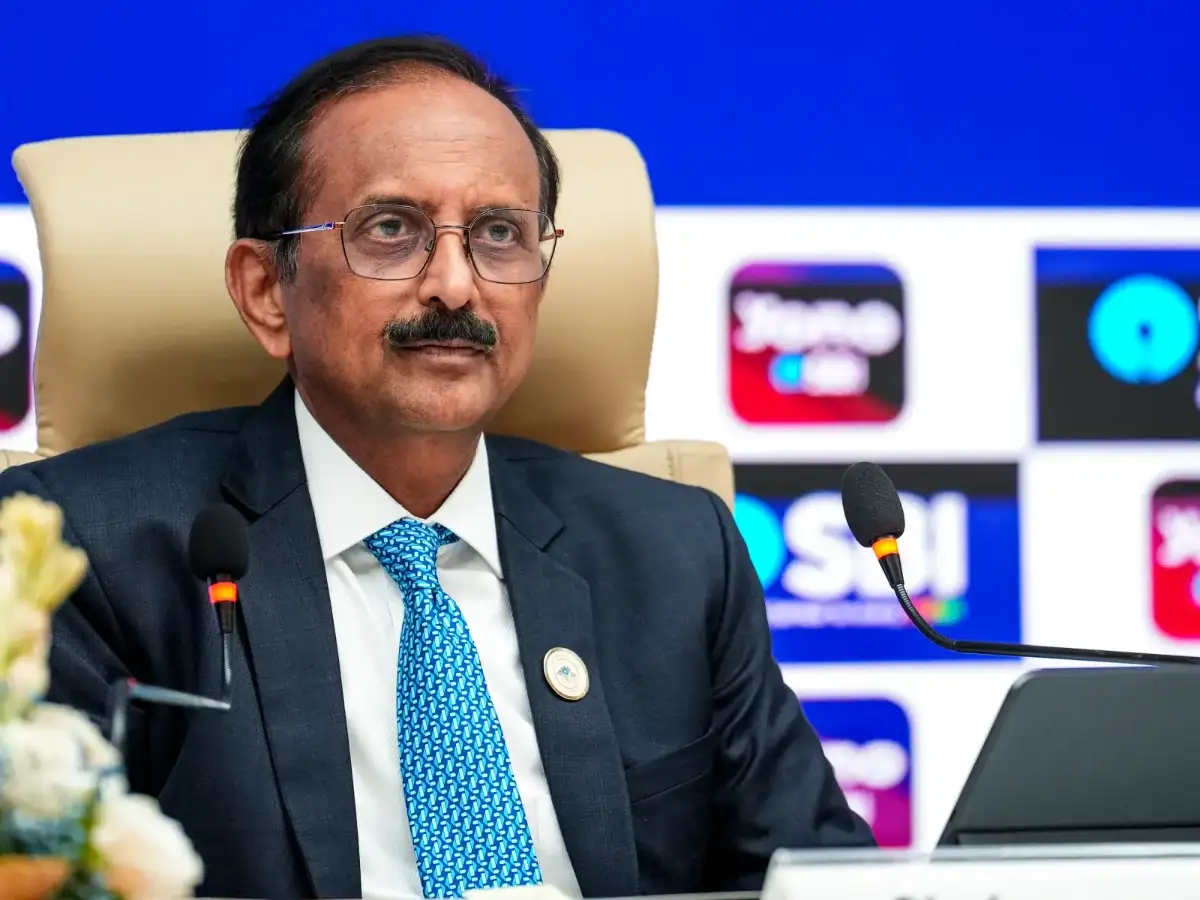
State Bank of India chairman CS Setty noted that upcoming rate hikes could affect discretionary consumption demand. He highlighted that retail asset quality is expected to remain stable at the system level. Setty indicated a projected 0.50 percent rate hike in December, followed by a pause in February. Additionally, he discussed plans for a new version of the Yono app aimed at Jan Dhan account holders.

'CyRIS' will focus on emerging digital safety and capability areas, including threat intelligence, cyber defence, digital forensics, malware analysis, ethical hacking, fraud analytics, AI security, and quantum-safe technologies, as per an official statement.

Wary of RBI, banks back off from forex deals

Tue, 27 Oct 2026 00:53:11 +0530

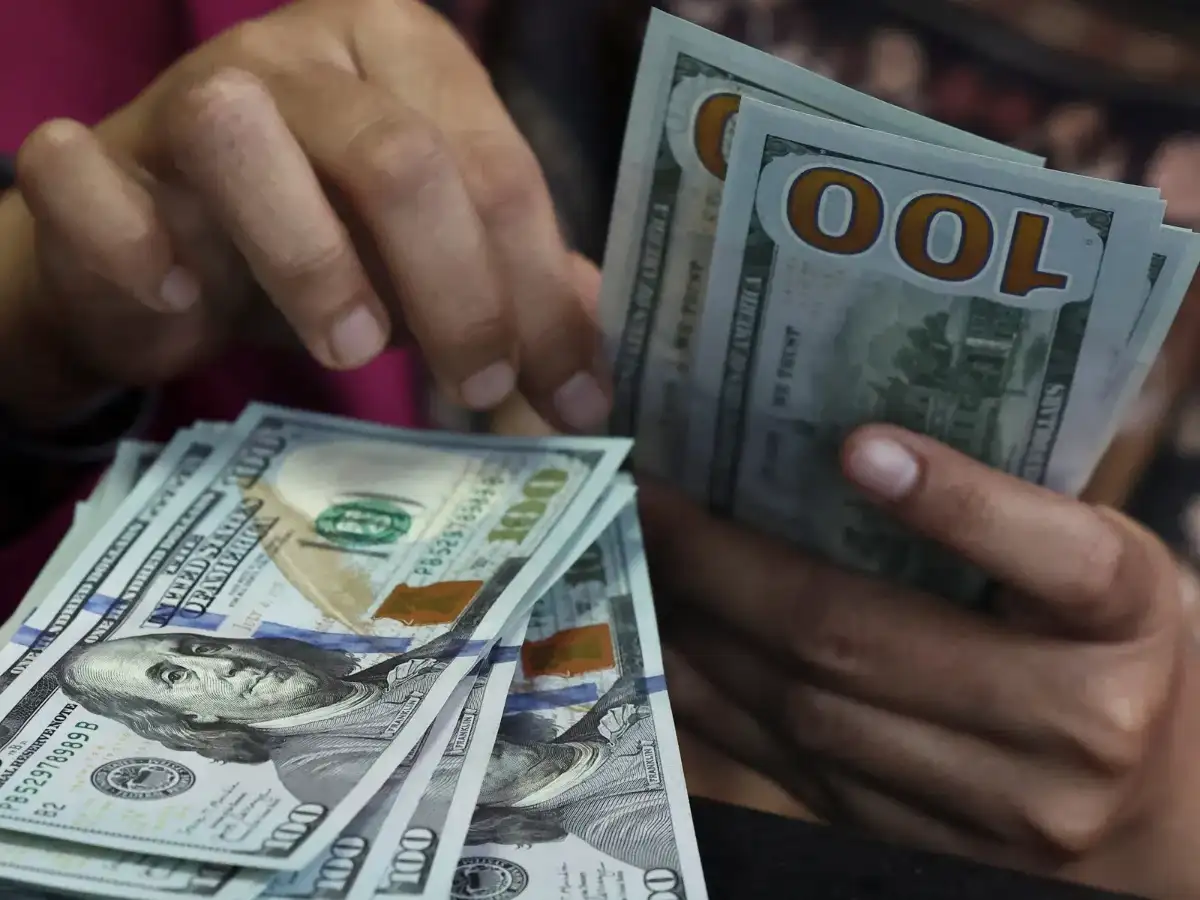
The banks, using the easy rupee liquidity created after the inflow of deposits from the diaspora, bought dollars and invested the funds in US Treasury bills to earn higher returns. The transaction involved a buy-sell swap, where banks purchased dollars in the spot market and sold dollars in the forward market. The dollars generated through the swaps were deployed in US government papers, whose yields have risen in the past three months.