His weeklong moonshot — its date to be determined and years in the future — will bring him within 125 miles (200 kilometers) of the lunar far side.


His weeklong moonshot — its date to be determined and years in the future — will bring him within 125 miles (200 kilometers) of the lunar far side.

Scientists can assemble small sections of human brain tissue made from stem cells in petri dishes, and have already done so with more than a dozen brain regions.

This pattern hints how stars and planets might have formed. The fact that the dust shells have survived suggests that the dust can endure in the harsh environment between stars and go on to provide the raw materials for new stars and planets.

Research by Swedish paleogeneticist Svante Paabo, who won the medicine Nobel prize last week, helped reveal that people of European descent and almost everyone worldwide have a small percentage of Neanderthal DNA.

NASA said this slingshotting wil help Lucy gain part of the orbital energy it needs to travel to the unexplored population of asteroids.

Currently, astronomers at the Center for Astrophysics | Harvard & Smithsonian have created a novel method to find these elusive newborn planets, along with "smoking gun" proof of a small Neptune or Saturn-like planet hiding in a disc.
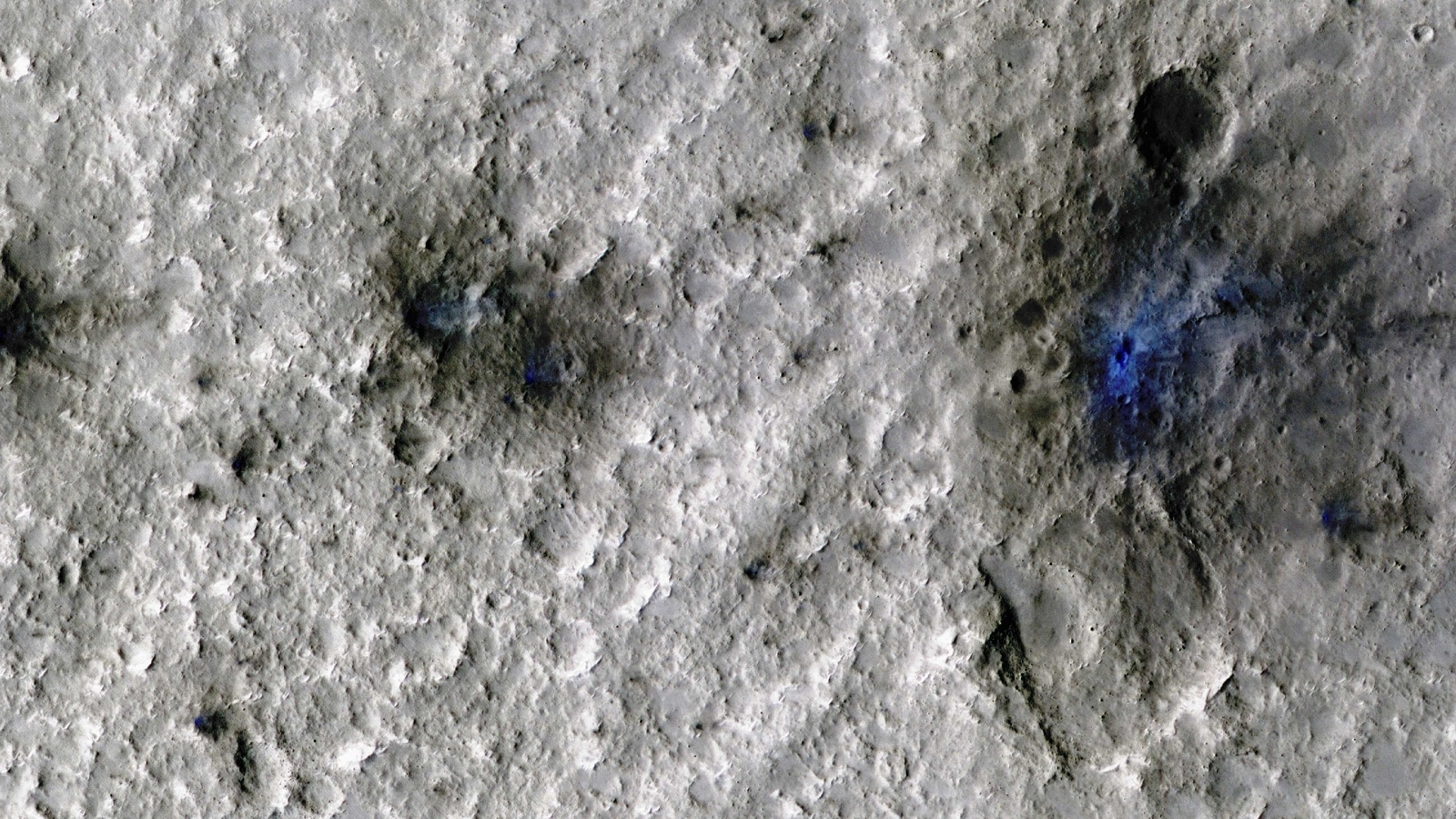
InSight lander has caught the impact of Marsquakes. This is as interesting as it gets.

Impact craters can help experts find the age of a planet.

In 2022, the American Cancer Society estimates, 1.9 million new cancer cases will be diagnosed and 609,360 people will die of cancer diseases.