loader

Impavid Bulletin

economy

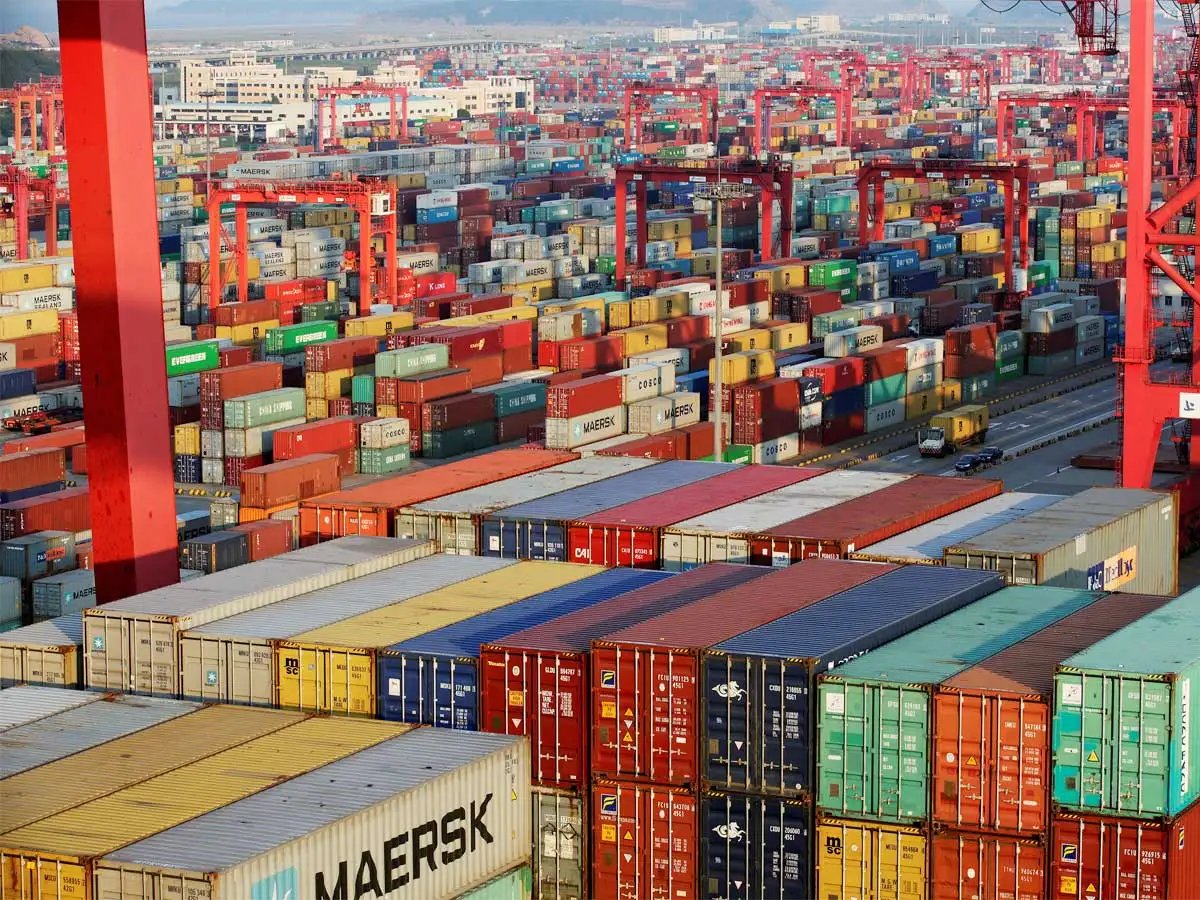
The country received $113.029 billion under this head during the three months while it paid $59.637 billion, the data showed. September saw the biggest surplus at $19.208 billion while it was $17.647 billion and $16.537 billion in July and August respectively.
The Reserve Bank of India conducted its 625th Central Board meeting under Governor Sanjay Malhotra. The board reviewed economic conditions and potential risks facing India’s economy while evaluating the Deposit Insurance and Credit Guarantee Corporation’s activities. Additionally, the board members participated in the Integrity Pledge as part of Vigilance Week 2026. Deputy Governors and other board members contributed to the discussions during the meeting.

In India, it's essential for policymakers to harmonize growth output with inflation expectations. Niti Aayog’s Ashok Lahiri pointed out the importance of addressing inflation alongside job creation. He urged banks to play a pivotal role in linking enterprises with financial support and investment options. To capitalize on its natural resources, West Bengal must focus on industry attraction, while effective land acquisition and good infrastructure remain key for business development.

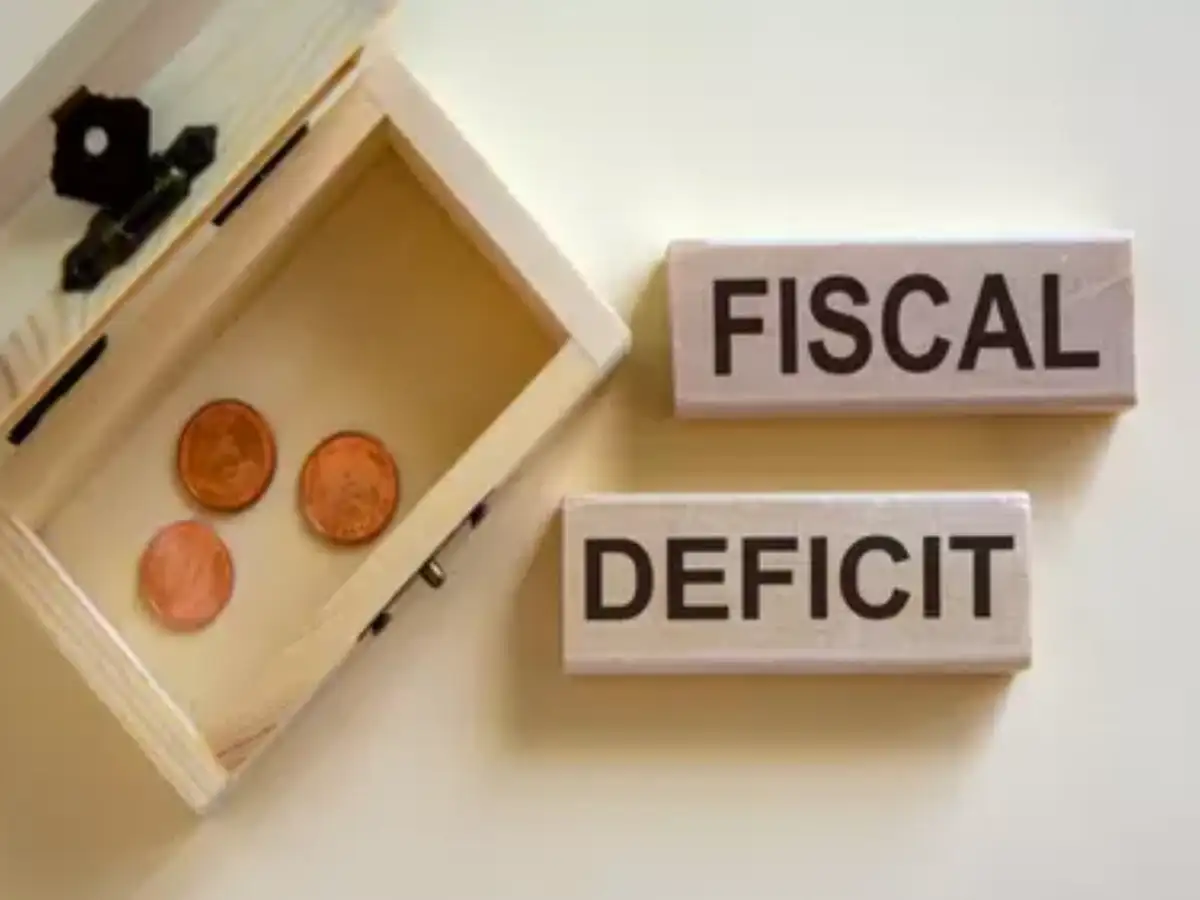
By September 2026, the Centre's fiscal deficit had escalated to ₹7.14 lakh crore, exceeding last year's figures. This increase is fueled by a 10.7% rise in total expenditure, largely a result of heightened capital spending and food subsidies, while petroleum subsidies sharply declined. Gross tax revenue, however, saw a modest growth of 6.1%, even with lower excise duty collections attributed to tax reforms.

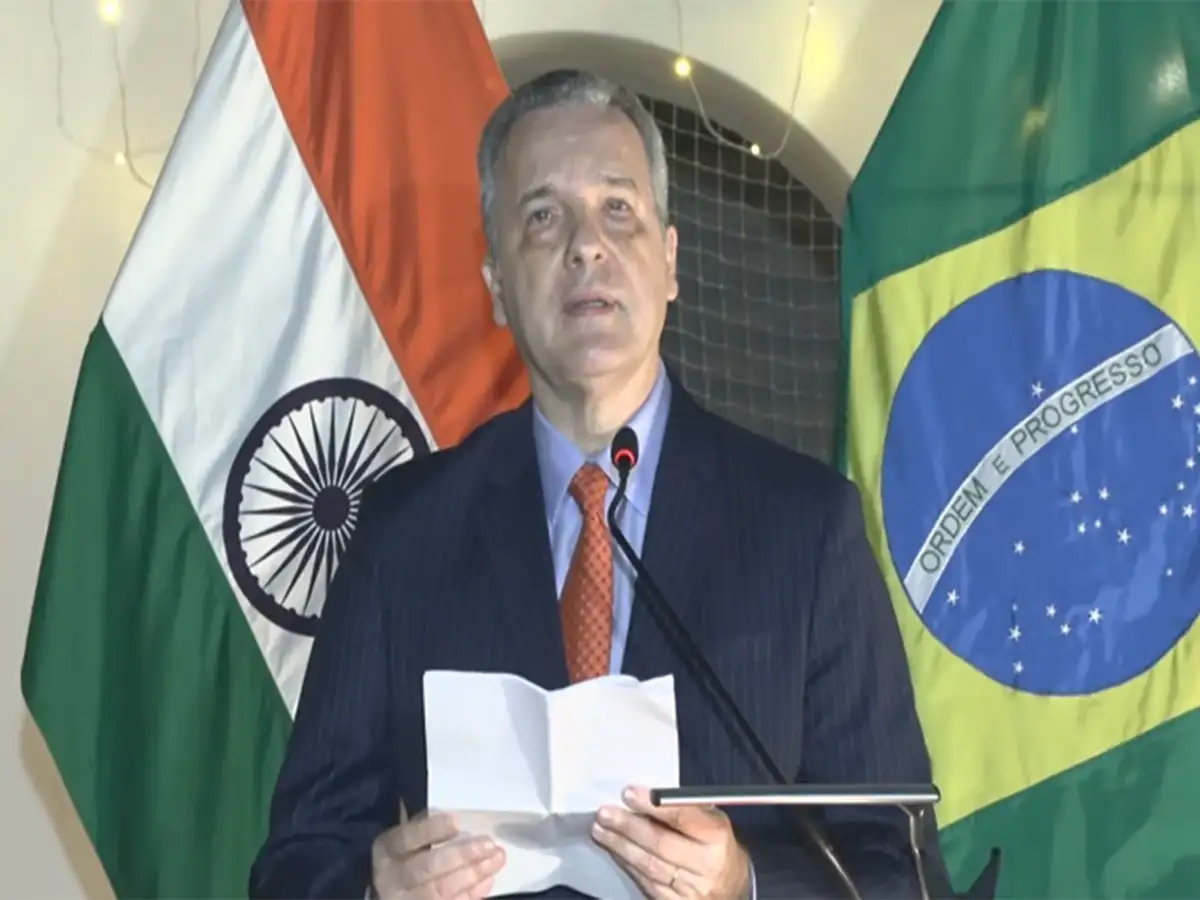
Brazil's Ambassador to India highlighted growing trade relations, expecting bilateral trade to reach USD 20 billion soon. The partnership encompasses critical sectors such as defence, energy, and pharmaceuticals, promoting economic engagement. Both nations aim to deepen cultural ties, celebrating the centenary of musician Antonio Carlos Jobim in 2027. Recent political visits strengthened commitments toward technological and economic cooperation in multilateral forums.

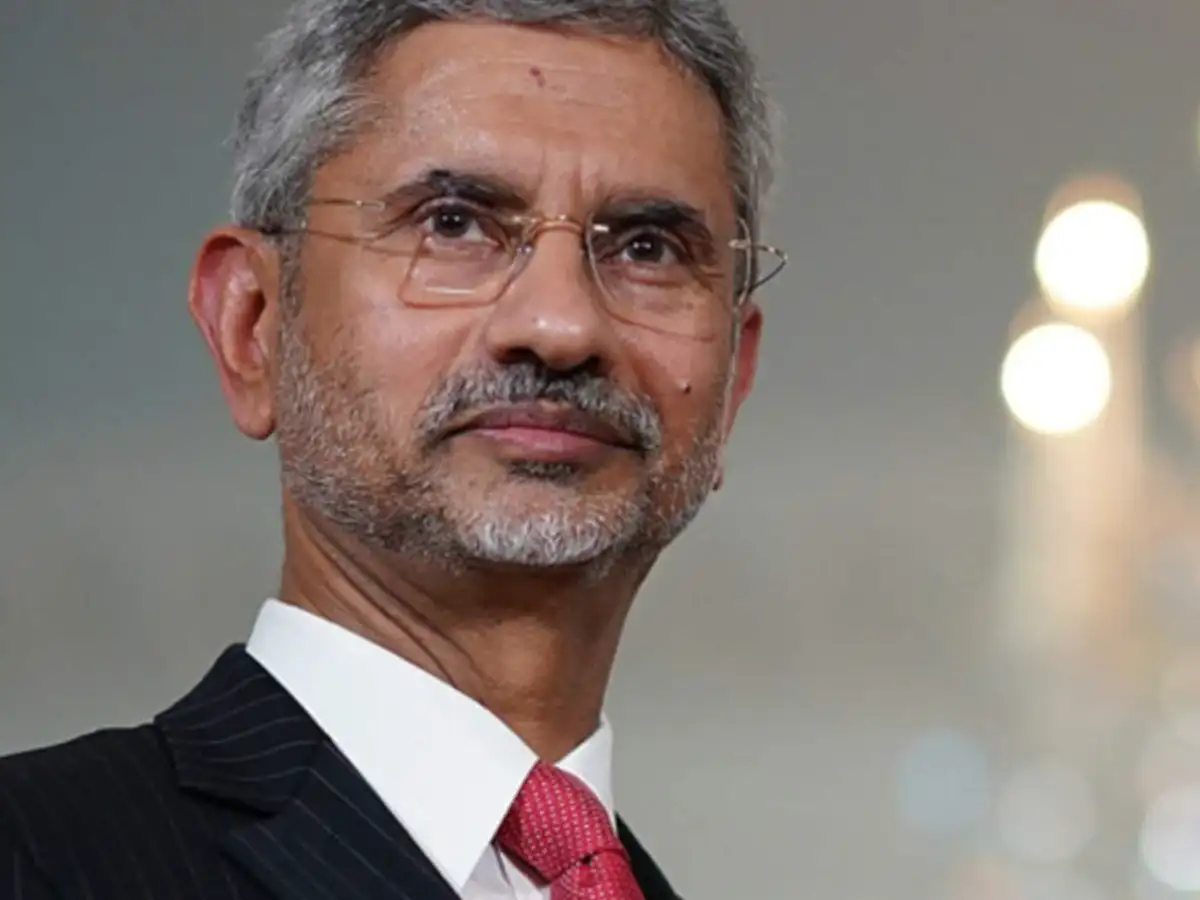
S Jaishankar highlighted the challenges posed by disruptions in global oil supplies during the G20 meeting. He pointed out that the current energy crisis results from unpredictability and significant disruptions. Jaishankar emphasized the need for the G20 to ensure that energy markets remain open and predictable. He also mentioned India's efforts in critical minerals and the necessity for reliable energy supplies.

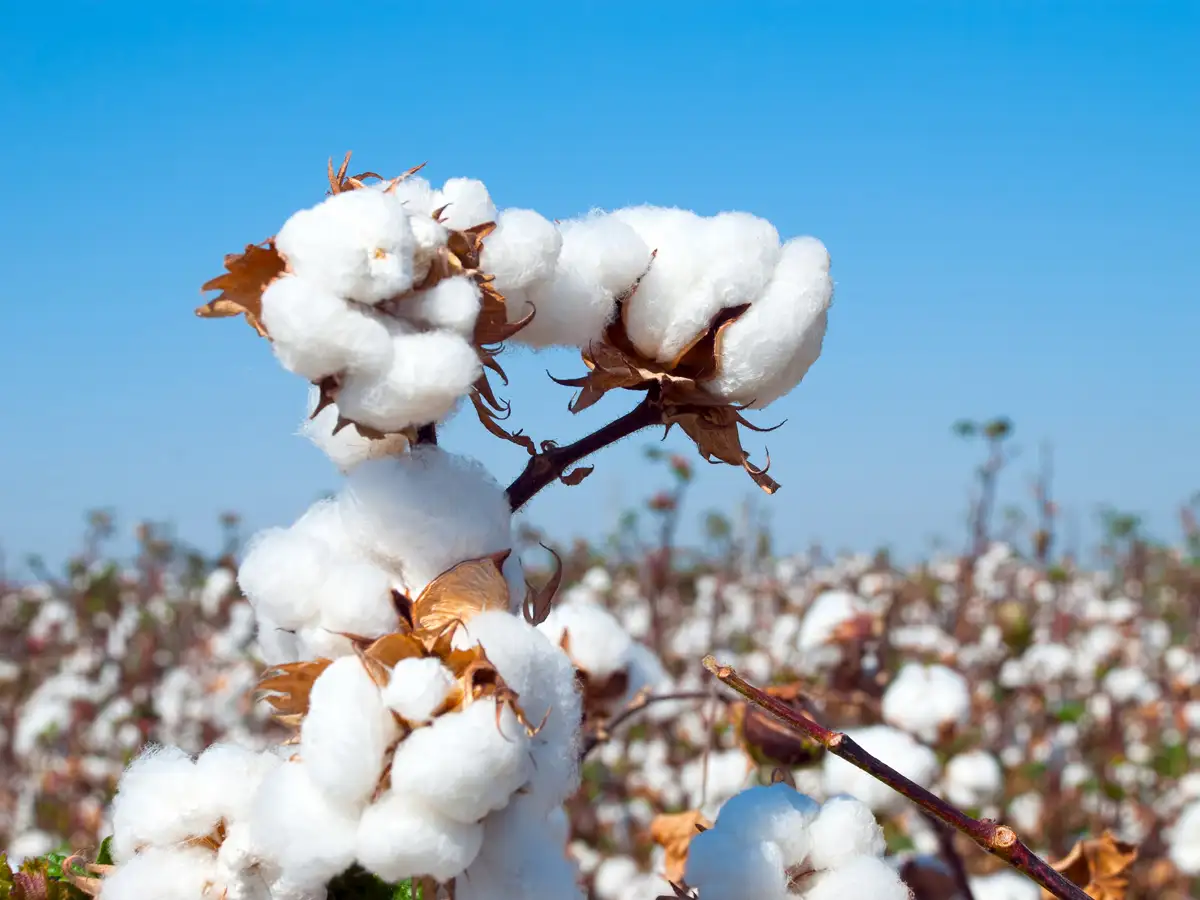
The Indian government has announced an extension of the customs duty exemption on cotton imports until December 31, 2026. This move aims to improve the availability of raw materials for the textile and apparel industry. The extension supports Micro, Small and Medium Enterprises (MSMEs) while easing input cost pressures for manufacturers.

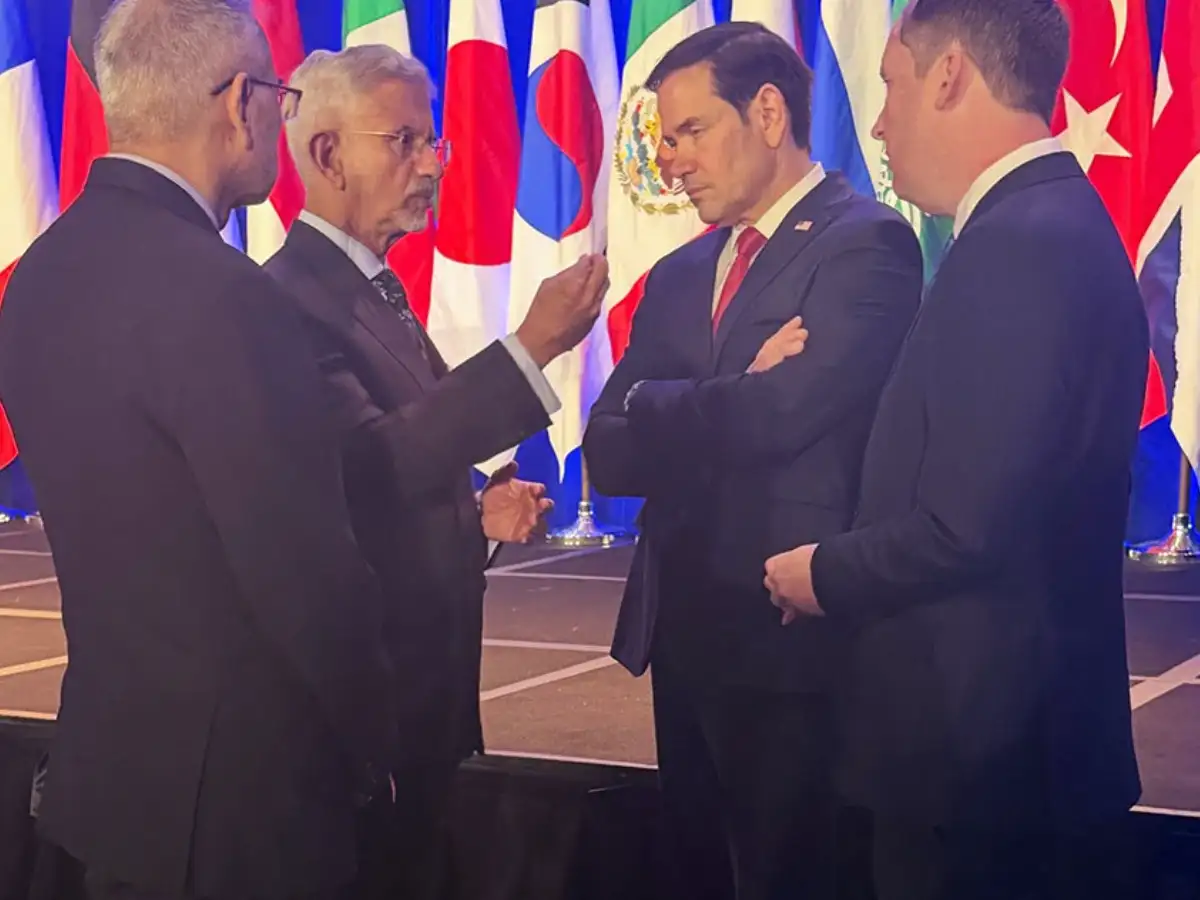
S Jaishankar held a bilateral meeting with US Secretary of State Marco Rubio in Atlanta. The meeting focused on enhancing India-US cooperation and addressing geopolitical issues. Jaishankar emphasized that military solutions are not viable for resolving global challenges. Rubio also highlighted the importance of protecting economic and maritime security during the discussions. The G20 Foreign Ministers' Meeting concluded with crucial dialogues on international economic stability.

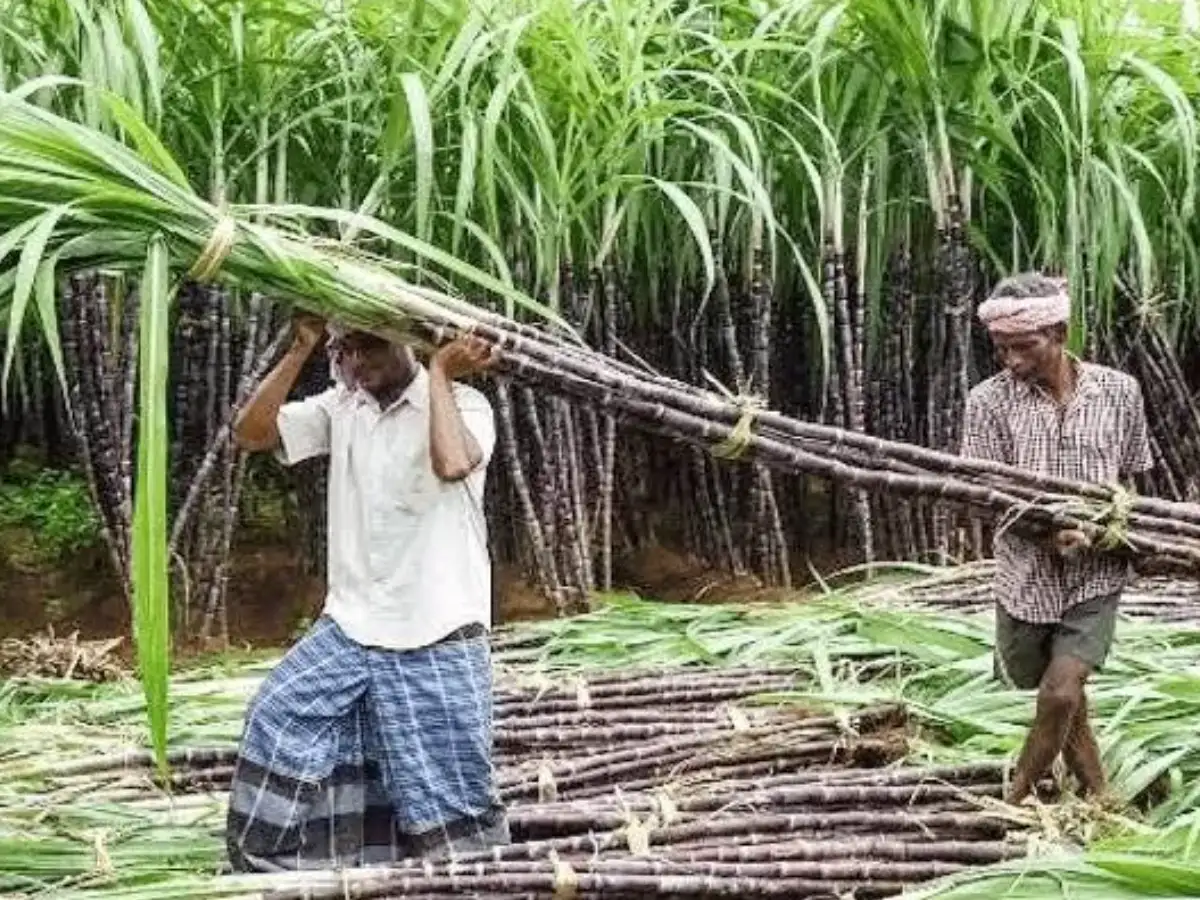
Farmers in North Karnataka are intensifying their protest over the procurement price of sugarcane and other related issues. They staged blockades and sit-ins across several locations including Belagavi and Dharwad. The farmers are demanding a fair price of Rs 5,500 per tonne for sugarcane and other reforms. Local administrations have imposed prohibitory orders to prevent further protests on highways.